Hitaar: The Traditional Stringed Instrument Behind a Rich Musical Heritage
hitaar
Hitaar: The Traditional Stringed Instrument Behind a Rich Musical Heritage
Few instruments carry as much quiet mystery as the Hitaar. Ask five musicians what it is, and you may get five different answers — a folk string instrument, a devotional music tool, a symbol of regional identity. What ties these descriptions together is a shared thread: Hitaar is consistently described as a traditional stringed instrument woven into the fabric of community celebrations, storytelling, and spiritual practice across South Asia and parts of the Middle East.
This guide explores what Hitaar is, where it’s believed to have come from, how it’s used in music today, and why it’s seeing renewed interest among modern musicians and cultural enthusiasts.
What Is a Hitaar?
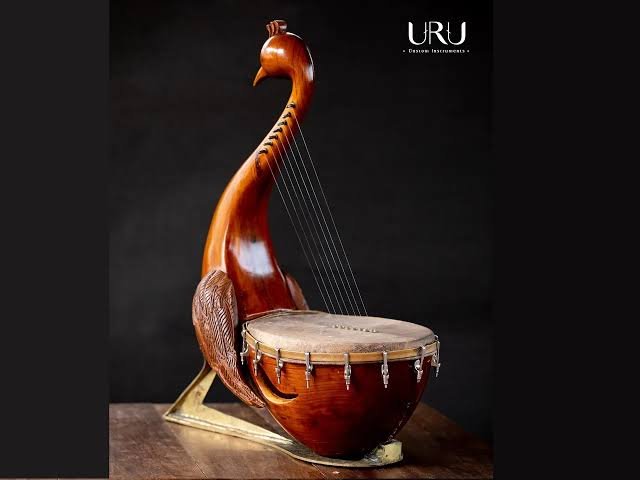
The Hitaar is generally described as a fretted, hollow-bodied stringed instrument, played by plucking or strumming. Its warm, resonant tone is often compared to other regional folk instruments, making it well-suited for both solo melodies and accompaniment.
Construction and Sound
Traditional Hitaars are typically handcrafted from hardwood, with a hollow body designed to amplify sound naturally. Some modern builders have adapted the instrument with pickups, allowing it to be used in amplified or fusion settings alongside contemporary instruments.
How It’s Played
Musicians play the Hitaar by plucking or strumming its strings, producing a meditative, layered tone. This playing style lends itself to slow, storytelling-driven music as much as it does to lively festival performances.
The Cultural Roots of Hitaar
Folk Music and Storytelling
In many communities, the Hitaar has historically been associated with wandering musicians and minstrels who used it to accompany folk songs about love, heroism, and daily life. It became a fixture at weddings and seasonal festivals, helping pass down oral traditions from one generation to the next.
Devotional and Spiritual Music
The Hitaar is also linked to devotional musical traditions, including qawwali and bhajan performances. In these settings, its resonant tones are said to help create a meditative atmosphere suited to spiritual reflection — an instrument used not just to entertain, but to move an audience emotionally and spiritually.
Linguistic Origins
The name’s roots are debated. Some language sources trace “Hitaar” to Arabic, where a similar-sounding word refers to a head covering or cap — a possible metaphor for shelter and protection. Others point to a connection with Sanskrit or Persian, where “tar” refers to a string, a naming convention shared by other stringed instruments across the region. Because written records are limited, no single origin story has been firmly established, and readers should treat these as competing theories rather than settled fact.
Regional Variations
As with many folk instruments, the Hitaar isn’t uniform across every region that uses it. Local craftsmanship, tuning traditions, and playing styles have shaped distinct regional versions over time.
South Asian Traditions
In parts of South Asia, the Hitaar is closely tied to Sufi and folk devotional music, often performed in intimate gatherings or community celebrations.
Middle Eastern Influence
In Middle Eastern contexts, similar stringed instruments share naming and construction traits with the Hitaar, suggesting cross-cultural exchange along historic trade and migration routes.
Why Hitaar Is Gaining Renewed Interest
A Growing Folk and Fusion Music Movement
Musicians working in folk-fusion genres have started incorporating instruments like the Hitaar into modern recordings, blending traditional tones with contemporary production. This has introduced the instrument to new, younger audiences who may never have encountered it otherwise.
Cultural Preservation Efforts
As oral traditions face pressure from globalization, some musicians, cultural organizations, and craftspeople are actively working to document and preserve instruments like the Hitaar — recording traditional techniques, training new players, and archiving regional variations before they’re lost.
Interest in Mindful, Meditative Music
The Hitaar’s slow, resonant sound fits naturally into today’s growing interest in meditative and mindfulness-oriented music, giving it relevance well beyond its traditional settings.
How to Explore Hitaar Music Today
If you’re curious about experiencing the Hitaar firsthand, here are a few practical starting points:
- Search for regional folk and devotional recordings that credit the instrument by name, particularly in South Asian folk and Sufi music collections.
- Look for luthiers or instrument makers who specialize in traditional stringed instruments — some offer handcrafted Hitaars or similar regional variants.
- Attend cultural festivals that showcase folk music traditions, where instruments like the Hitaar are more likely to be performed live.
- Follow fusion musicians who blend traditional instruments with modern genres, as they often highlight the instruments and stories behind their music.
A Note on Reliable Sources
Because the Hitaar is not extensively documented in mainstream academic or musicological literature, much of what circulates online varies in accuracy — and some content mixes unrelated concepts (like unrelated naming traditions or wellness philosophies) under the same word. If you’re researching Hitaar for academic, cultural, or journalistic purposes, it’s worth cross-referencing regional music scholars, ethnomusicology archives, or firsthand accounts from musicians who work with the instrument directly.
Final Thoughts
Whether viewed as a folk instrument, a devotional music tool, or a symbol of cultural memory, the Hitaar represents something larger than sound alone — a living connection between craftsmanship, storytelling, and community. As interest in traditional and fusion music continues to grow, instruments like the Hitaar offer a meaningful way to explore musical heritage that might otherwise fade from view. For musicians and cultural enthusiasts alike, learning about the Hitaar is an invitation to listen more closely to the stories carried through sound.
About The Author