Face Swap Artificial Intelligence: Uses, Benefits, and Safety
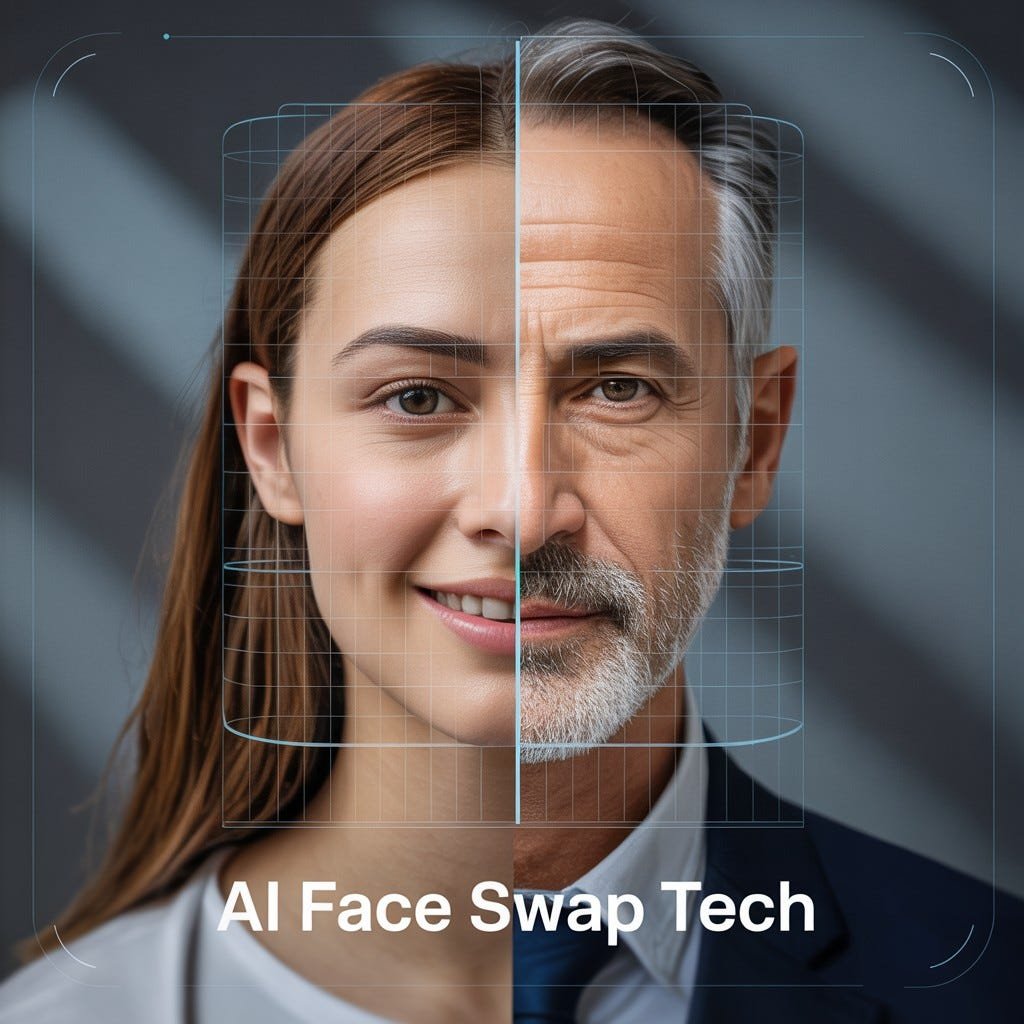
face swap artificial intelligence
What Is Face Swap Artificial Intelligence?
Face swap artificial intelligence refers to technology that uses artificial intelligence and machine learning to replace one person’s face with another face in an image, video, or live camera feed. AI face-swapping tools analyze facial features, expressions, lighting, angles, and movement to create a realistic-looking result.
Unlike traditional photo-editing methods, artificial intelligence can automate much of the process. Users may only need to upload an image or video, select another face, and allow the system to generate the result. The technology can then adjust the replacement face so it follows the original subject’s expressions and movements.
Face-swapping tools are becoming increasingly popular because they are easy to use and can produce results within seconds. However, realistic output also creates important questions about privacy, consent, copyright, and responsible use.
How Does AI Face Swapping Work?
Face swap artificial intelligence usually relies on computer vision, neural networks, and image-processing models. First, the system identifies the faces in an image or video. It may analyze the position of the eyes, nose, mouth, jawline, and other facial landmarks.
Next, the AI studies the source face and the target face. The source face is the face that will be added, while the target face is the person or character whose face will be replaced. The system compares their shape, angle, skin tones, expressions, and lighting conditions.
After this analysis, the AI generates a new image by blending the source face into the target position. It may adjust shadows, colors, edges, and facial alignment to make the result appear more natural. In videos, the system repeats this process across multiple frames while tracking movement.
The final result depends on the quality of the original files, the angle of the faces, lighting, image resolution, and the capabilities of the AI model.
Common Uses of Face Swap AI
There are many legitimate and creative uses for AI face-swapping technology. Entertainment is one of the most common. People use face-swapping tools to create humorous images, themed videos, social media posts, and digital artwork.
Other popular uses include:
- Creating fictional characters
- Producing short comedy videos
- Developing film and television concepts
- Testing makeup or hairstyle ideas
- Creating educational demonstrations
- Designing personalized digital avatars
- Exploring historical or cultural storytelling
- Producing visual effects for independent projects
Content creators may also use face swap artificial intelligence to experiment with different visual styles. For example, a creator might place their face into a movie-inspired scene or use a fictional character design for a creative project.
Businesses and production teams may use similar technology for visual previews, marketing concepts, or entertainment projects. When real people are involved, obtaining permission is essential.
Benefits of Face Swap Artificial Intelligence
One of the main benefits of AI face swapping is speed. Traditional visual effects can require specialized software, manual editing, and significant time. AI tools can automate many steps and make the process available to beginners.
Another advantage is accessibility. Users without advanced design experience can experiment with creative ideas using simple interfaces. This can help students, creators, marketers, and small production teams develop visual content more efficiently.
AI face-swapping technology can also support storytelling. A filmmaker may use it to test a character concept before completing a full production. An educator may use a carefully prepared visual example to explain digital media, animation, or computer vision.
The technology can also make creative experimentation more affordable. Instead of investing in complex editing workflows, users can explore ideas quickly and decide which concepts are worth developing further.
Important Privacy and Consent Concerns
Although face swap artificial intelligence offers creative possibilities, it must be used responsibly. A person’s face is part of their identity, and using it without permission can cause privacy, reputational, or emotional harm.
Before using someone’s face in an edited image or video, obtain clear consent. This is especially important when the result will be posted publicly, used commercially, or shared with other people.
Never use face-swapping technology to create deceptive, humiliating, abusive, or explicit content involving another person. Creating misleading content that appears to show someone doing or saying something can have serious consequences.
It is also important to review the privacy policy of an AI tool before uploading images. Some services may store uploaded files, use them to improve their systems, or share information with service providers. Choose tools that clearly explain how images are handled and how users can delete their data.
How to Choose a Face Swap AI Tool
When selecting a face-swapping tool, consider more than the quality of its results. A trustworthy service should provide clear information about privacy, data storage, acceptable use, and account security.
Look for the following features:
- A clear privacy policy
- Secure file transmission
- Options to delete uploaded content
- Transparent pricing
- Information about data retention
- Clear rules against harmful misuse
- Watermark or disclosure options
- Easy-to-understand terms of service
You should also consider output quality. A good tool should handle facial alignment, lighting, movement, and image resolution effectively. Some tools work best with photographs, while others are designed for video or live camera effects.
Avoid uploading sensitive images, identity documents, private photographs, or photographs of children unless you fully understand how the service protects the files.
Tips for Better AI Face-Swap Results
The quality of a face-swapped image depends heavily on the images you use. For better results, choose a clear source photo with good lighting and a visible face. The face should be positioned at a similar angle to the target face.
Helpful tips include:
- Use high-resolution images.
- Choose photos with similar lighting.
- Match the face angle whenever possible.
- Avoid heavy shadows across the eyes or mouth.
- Use images with natural facial expressions.
- Keep the target face unobstructed.
- Review the result for unnatural edges or mismatched colors.
For video, stable footage and consistent lighting can improve tracking. Fast movement, blocked facial features, and low-quality recordings may produce less realistic results.
Is AI Face Swapping Legal?
The legal rules surrounding face swap artificial intelligence vary by location and situation. Laws may address privacy, publicity rights, harassment, fraud, impersonation, copyright, and deceptive media.
Using your own face for a personal creative project is generally different from using another person’s identity without permission. Commercial use may require additional authorization, particularly if the person is recognizable or the content suggests endorsement.
If you plan to publish or monetize AI-generated content, research the applicable rules in your location and obtain permission where necessary. When in doubt, use fictional or licensed subjects instead of real people.
The Future of Face Swap Artificial Intelligence
AI face-swapping technology will likely continue improving as computer vision and generative AI develop. Future tools may produce more accurate facial expressions, better motion tracking, and improved integration with augmented reality.
At the same time, users may see stronger safety features, including consent verification, content labeling, detection systems, and controls that prevent misuse. Platforms may also require creators to disclose when an image or video has been significantly altered by artificial intelligence.
The future of this technology will depend not only on technical progress but also on responsible behavior. Clear consent, honest labeling, and respect for privacy will be essential.
Final Thoughts
Face swap artificial intelligence makes it easier to create engaging images, videos, avatars, and visual effects. Its speed and accessibility give creators new ways to experiment with digital content, entertainment, and storytelling.
However, realistic face-swapping technology should always be used with consent and caution. Protect private images, read the tool’s privacy policy, avoid deceptive content, and disclose significant AI edits when appropriate.
About The Author