Alexander Savin and The Flying Elephant: The Man Behind the Memoir
the flying elephant memoirs of an olympic champion alexander savin
Alexander Savin and The Flying Elephant: The Man Behind the Memoir
Before you get into a memoir, I think it helps to actually know who wrote it. Sounds obvious, right? But loads of people skip that bit entirely and just dive into chapter one. Let’s not do that here.
So — who’s Alexander Savin?
The Athlete First
Alexander Savin was born on the 1st of July, 1957, and he grew up to become one of the standout volleyball players of the Soviet era. Middle blocker, if you’re into the technical side of the sport. Big frame, which you’d expect for that position, but apparently far quicker on his feet than his size suggested.
That contrast, big body, light movement, is basically where his nickname came from. Teammates started calling him “the flying elephant.” It stuck. Decades later, it became the title of his memoir. Funny how these things travel.
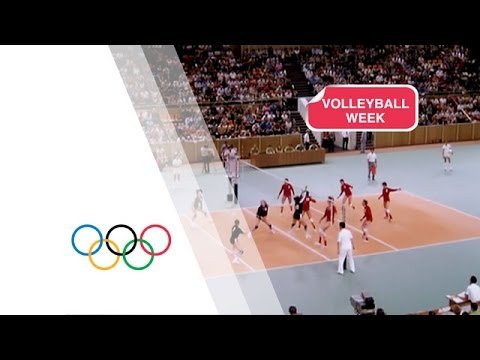
He competed for the USSR at two separate Olympic Games. First up was Montreal in 1976, where he played all five matches and came away with silver. Respectable for a first Olympics, honestly, especially against the kind of competition the Soviets faced during that era.
Then came Moscow, 1980. Home soil. Different pressure entirely, I’d imagine — competing for your country, in your own capital, with your own crowd watching. He played all six matches that time, and came out with gold. That’s the peak, really. Hard to top an Olympic gold medal on home turf.
Why CSKA Moscow Matters to the Story
Savin also spent a big chunk of his playing career with CSKA Moscow, one of the most dominant club sides in Soviet volleyball history. If you’re not familiar with CSKA generally, it’s worth knowing they weren’t just a strong volleyball club — the wider CSKA sports organisation was one of the most powerful athletic institutions in the entire USSR, spanning multiple sports.
Playing for a club like that during that era meant something specific. It meant elite training resources, serious competition even in domestic matches, and being part of a broader sporting machine that the Soviet state took very, very seriously. Sport wasn’t just entertainment back then. It carried political weight, national pride, genuine ideological stakes.
That context matters for understanding the memoir, I think. A career like Savin’s wasn’t shaped purely by personal ambition. It happened inside a system, a massive, disciplined, sometimes brutal system, and that system shows up in how these athletes talk about their careers decades later.
What Made Him Worth Writing a Memoir About?
Fair question. Plenty of Olympic athletes never write books. Most careers, even successful ones, fade quietly into old photographs and the occasional nostalgic interview.
Savin’s case feels a bit different, and I think it comes down to timing and access. He competed during one of the most fascinating, and honestly under-documented, periods of Soviet athletics. English-language firsthand accounts from Soviet-era Olympians are genuinely rare. Most of what Western readers know about that period comes from outside reporting, not the athletes themselves.
A memoir written by someone who was actually inside that system, training in those camps, sitting in those locker rooms, fills a gap that outside journalism simply can’t. That’s valuable regardless of whether you care about volleyball specifically.
What the Memoir Seems to Focus On
I’ll be upfront here: a lot of what’s circulating online about this specific memoir looks like templated content, written to rank rather than to genuinely review the book. Loads of pages saying basically the same thing, in the same order, with the same phrases. That’s worth knowing before you trust everything you read about it.
That said, based on what does line up consistently, the memoir doesn’t seem to lean heavily on medal-count bragging. It reportedly focuses more on the training culture, team dynamics, and the psychological weight of competing at that level, under that kind of political pressure.
Which, honestly, tracks. The best sports memoirs rarely dwell on trophies. Trophies are the easy part to describe. What’s harder, and more interesting, is everything that happens in the years leading up to them, the sacrifices nobody sees, the discipline that doesn’t make headlines.
Reading It as History, Not Just Sport
Here’s something I think gets overlooked. This memoir isn’t just a sports book. It’s also, functionally, a historical document.
Soviet-era athletic programmes operated under conditions that are genuinely hard to imagine now, particularly for readers who grew up in Western sporting systems. Firsthand accounts from that world are limited, and they only get rarer as that generation of athletes ages.
If you’re into Cold War history, or curious about how sport functioned as a political tool during that era, a memoir like this offers something textbooks generally can’t, actual lived experience, told by someone who was there, not analysed from a distance decades later.
Should You Read It?
Depends entirely on what you’re after, honestly.
If you want fast-paced sports drama, blow-by-blow match recaps, this probably isn’t that book, from what’s described. It sounds slower, more reflective, more interested in the “why” behind the performance than the performance itself.
But if you’re curious about the human side of elite sport, or specifically interested in Soviet athletic history, Savin’s story checks a lot of boxes. Real medals. Real era. Real access to a world that’s genuinely difficult to learn about secondhand.
Final Thought
Alexander Savin earned his place in Olympic history fair and square, silver in ’76, gold in ’80, a career built inside one of the most demanding sporting systems of the twentieth century. The memoir, from what’s consistently described, seems to lean into the human cost of that career rather than just celebrating the outcome.
I think that’s usually the more honest version of a sports story anyway. The medals are easy to photograph. Everything that got him there is the actual story worth reading.
About The Author