What Is Etail? A Simple Guide to Electronic Retail (And Why It’s Everywhere Now)
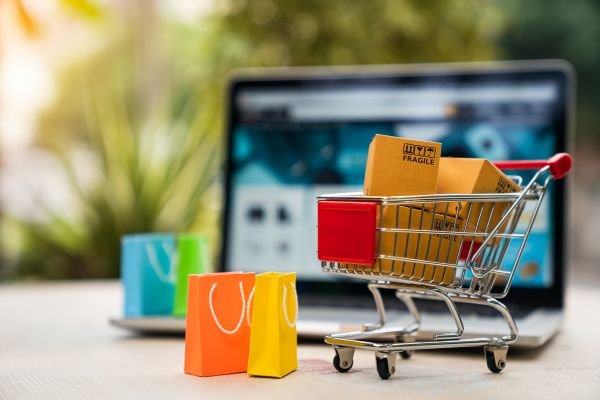
etail
What Is Etail? A Simple Guide to Electronic Retail (And Why It’s Everywhere Now)
Quick question: when did you last actually walk into a shop to buy something you could’ve ordered from your phone in thirty seconds? Be honest. It’s been a while, hasn’t it?
That shift — from queuing at a till to tapping “buy now” — is basically what the word etail is trying to describe.
Let’s break it down properly.
So, What Does Etail Actually Mean?
Etail is short for “electronic retail.” It’s a portmanteau, mashing “electronic” and “retail” together, which is honestly a pretty efficient bit of word-building when you think about it.
In plain terms: etail just means selling stuff online. Physical products, sold directly to customers, through a website or app, rather than a shop with four walls and a till.
That’s it. No massive mystery here. If you’ve ever bought trainers off a website, or had groceries delivered after ordering through an app, you’ve taken part in etail. Congrats, I suppose.
Etail vs. E-commerce — What’s the Actual Difference?
People throw these two terms around like they’re interchangeable. They’re close, but not quite the same thing, and the distinction actually matters if you’re studying this stuff or working in the industry.
E-commerce is the bigger umbrella term. It covers everything done online commercially — digital services, software subscriptions, online banking, B2B platforms, the lot.
Etail is narrower. It’s specifically about retail — meaning physical goods, sold to individual consumers, over the internet. So Netflix, technically, isn’t etail. It’s a digital service. But an online clothing store? That’s etail, textbook definition.
Think of it this way: every etailer is doing e-commerce, but not every e-commerce business is an etailer. Simple enough once it clicks.
A Bit of History, Because Context Helps
Etail didn’t just appear overnight. It grew out of the early internet, back when buying something online felt genuinely risky — remember typing your card number into a website and just… hoping? I do, and honestly it still gives me a small flashback of anxiety.
Amazon started as an online bookstore in the mid-90s. eBay launched around the same time as an auction site. Neither looked anything like what they are now, but both planted the flag early, and both basically proved the model could work at scale.
From there it snowballed. Broadband got faster. Trust in online payments grew. Mobile phones turned into pocket-sized shopping malls. And suddenly, etail wasn’t a novelty anymore — it was just… normal. Expected, even.
Why Has Etail Grown So Fast?
A few reasons, honestly, and most of them are things you’ve probably felt yourself without putting a label on it.
Convenience is the obvious one. No traffic, no parking, no queues. You shop in your pyjamas at 11pm if you fancy it. Nobody’s judging.
Selection matters too. A physical shop has shelf space limits. An online store doesn’t, not really. You can browse a thousand variations of the same product without a shop assistant getting visibly tired of you.
Price comparison is baked in now. Fifteen tabs open, comparing the same item across five retailers — that’s just how a lot of people shop these days, myself included.
And honestly? Global reach. A small etailer in, say, Manchester can sell to someone in Melbourne without ever opening a second location. That was basically unthinkable for small retailers a generation ago.
What Does Running an Etail Business Actually Involve?
This is the bit people underestimate, I think. Etail sounds simple — build a website, list some products, done — but the operational side is genuinely complex.
There’s inventory management, which sounds boring until you’re the one explaining to a customer why the item they ordered is actually out of stock. There’s fulfilment — picking, packing, shipping, and doing it fast enough that customers don’t abandon ship for a competitor with next-day delivery.
Then there’s returns. Etail returns run notably higher than physical shop returns, partly because people can’t try things on or hold the product before buying. Some estimates put etail return rates well above what traditional stores see. That’s a real cost businesses have to plan for, not just a footnote.
And peak seasons — think Black Friday, the December rush — can multiply order volumes several times over almost overnight. Systems that work fine in a quiet April suddenly buckle in November if they weren’t built to scale.
Etail Isn’t Just Big Brands, Either
I think there’s a tendency to picture etail as Amazon and a handful of giants. Fair enough, they dominate headlines. But loads of etail activity happens on a much smaller scale — independent shops selling handmade goods, niche hobby stores, small brands that never bothered opening a physical location at all.
In my experience, some of the best online shopping experiences come from smaller etailers, honestly. Less corporate, more personal, sometimes even a handwritten note in the parcel. That stuff sticks with you.
Where’s Etail Heading Next?
Hard to say for certain, obviously. Nobody’s got a crystal ball. But a few trends seem to be shaping where things go — faster delivery expectations, more mobile-first shopping, and increasingly, a blur between online and offline through “click and collect” style hybrids.
Omnichannel retail — where a business blends physical stores with online ordering seamlessly — feels like where a lot of bigger etailers are heading. Not fully online, not fully offline. Somewhere comfortably in between.
Final Thought
Etail’s not some abstract industry term anymore. It’s just how a huge chunk of shopping actually happens now, quietly, in the background of everyday life. You’ve probably done it today without even thinking about the word.
Whether that’s a good thing or not depends who you ask, honestly — convenience versus the death of the high street is a real debate, and a fair one. But like it or not, etail isn’t going anywhere. It’s just retail now, really. The “e” barely needs saying anymore.
About The Author