Candizi: The Complete Guide to Candy, Sweets & Sugar Treats
candizi
Candizi: The Complete Guide to Candy, Sweets & Sugar Treats
Few things bring as much simple joy as candy. From the crinkle of a wrapper to that first burst of sweetness, treats have a way of turning an ordinary moment into something a little more fun. Whether it’s a childhood favorite, a holiday tradition, or a small reward after a long day, candy holds a permanent place in how people celebrate, comfort themselves, and connect with others.
This guide — Candizi — breaks down what candy actually is, the different types you’ll find on store shelves, how it’s made, and how to enjoy sweets as part of a balanced lifestyle.
What Is Candy?
Candy is a broad category of confectionery made primarily from sugar or sugar substitutes, often combined with flavorings, colors, and other ingredients like chocolate, fruit, nuts, or gelatin. Unlike baked goods such as cookies or cakes, candy typically doesn’t require an oven — many varieties are made through boiling, cooling, molding, or setting sugar into a specific texture and shape.
The word “candy” covers an enormous range of products, from hard, glass-like lozenges to soft, chewy gummies to rich, layered chocolate bars. What unites them all is their purpose: a small, sweet treat meant to be enjoyed in moderation.
A Brief History of Candy
Sweet treats have existed in some form for thousands of years. Ancient civilizations used honey, dried fruits, and nuts to create early versions of candy long before refined sugar was widely available. As sugar production expanded and became more affordable starting in the 17th and 18th centuries, candy-making evolved into a distinct craft, eventually growing into the global industry it is today. Modern candy production now blends traditional techniques with food science to create consistent texture, flavor, and shelf life at scale.
Main Types of Candy
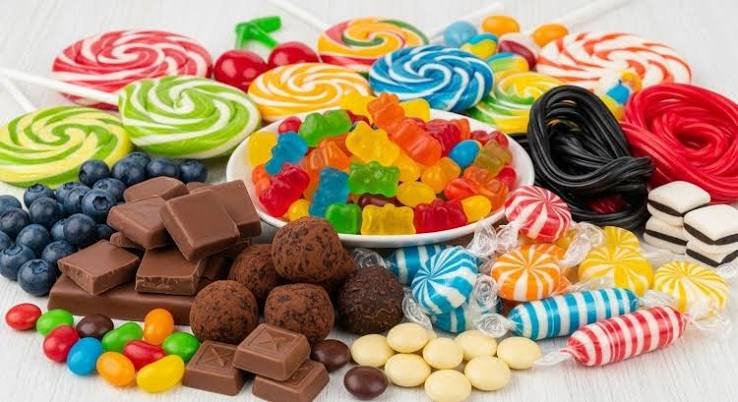
Understanding the different categories of candy makes it easier to know what you’re choosing — and why certain treats have such different textures and flavors.
Hard Candy
Hard candy is made by heating sugar syrup to a high temperature and then cooling it into a solid, glass-like structure. Because of how the sugar is processed, hard candy dissolves slowly, which is why it lasts longer than most other types. Classic drops, lollipops, and mints usually fall into this category.
Chewy and Gummy Candy
Chewy candies get their texture from ingredients like gelatin, corn syrup, or pectin, which create a soft, elastic bite. Gummies, taffy, and caramels are popular examples. This category has grown significantly in recent years, with fruit-flavored and naturally colored gummies becoming increasingly common as consumer preferences shift.
Chocolate-Based Candy
Chocolate candy ranges from simple bars to complex combinations involving caramel, nuts, wafers, or fillings. The quality and flavor of chocolate candy largely depend on the cacao content and how the chocolate is tempered, which affects both texture and shine.
Sour Candy
Sour candies are coated or infused with acidic compounds, such as citric or malic acid, to create a sharp, tangy taste that contrasts with the underlying sweetness. This category has become especially popular among younger consumers looking for a more intense flavor experience.
Fruit-Based Candy
Many candies use real or artificial fruit flavoring, ranging from fruit chews and jellies to dried fruit coated in sugar. Some fruit-based candies are marketed as a slightly better-for-you alternative, though ingredient labels vary widely between brands.
How Candy Is Made
Basic Ingredients
Most candy starts with a base of sugar, water, and sometimes corn syrup, which helps control crystallization and texture. From there, manufacturers add flavorings, colors, and category-specific ingredients — cocoa for chocolate, gelatin or pectin for gummies, or citric acid for sour candy.
The Production Process
Candy-making generally involves precise temperature control. Small differences in heating and cooling determine whether the final product turns out hard, chewy, or brittle. Commercial candy production also involves molding, cutting, coating, and packaging steps designed to keep products consistent from batch to batch.
Enjoying Candy as Part of a Balanced Lifestyle
Moderation Matters
Candy is, by nature, a treat rather than a nutritional staple. Because most candy is high in added sugar, health organizations generally recommend enjoying it in moderation rather than as a regular part of daily eating. Reading nutrition labels can help you understand portion sizes, sugar content, and any allergens present in a particular product.
Reading Labels Before You Buy
Not all candy is created equal. Some brands use higher-quality ingredients, real fruit extracts, or reduced-sugar formulations, while others rely more heavily on artificial additives. If ingredient quality matters to you, it’s worth comparing labels between brands rather than assuming similar-looking products are the same.
Candy and Special Occasions
Candy plays a meaningful role in celebrations and traditions around the world — from holiday-specific treats to candy shared during festivals, birthdays, and gatherings. Its association with celebration is part of why candy remains such a consistent part of culture, even as health-conscious trends shift how often people reach for it.
Choosing the Right Candy for You
Consider Texture Preferences
Some people prefer the long-lasting nature of hard candy, while others gravitate toward the immediate chew of gummies or the richness of chocolate. Knowing your texture preference can help narrow down choices in a crowded candy aisle.
Consider Flavor Intensity
If you enjoy bold, tangy flavors, sour candy may be the better fit. Those who prefer a smoother, more traditional sweetness often lean toward chocolate or classic fruit-flavored options.
Consider Occasion and Portion
A single piece of hard candy might be ideal for a slow treat during a long drive, while a small bag of gummies could work better as a shareable snack at a gathering. Matching the candy type to the occasion can make the experience more enjoyable and help with portion control.
Final Thoughts
Candy has earned its lasting popularity by offering something simple but genuinely enjoyable — a small moment of sweetness in an otherwise ordinary day. Whether you gravitate toward hard candy, gummies, chocolate, or something sour and tangy, understanding the different types, how they’re made, and how to enjoy them in moderation can help you make more informed choices next time you’re picking out a treat.
Candizi exists to make that a little easier — breaking down the world of candy and sweets so you can enjoy them thoughtfully, whatever your favorite treat happens to be.
About The Author