EV Technology 2026: Solid-State Batteries, Ultra-Fast Charging & More
Electric Vehicle Technology in 2026: The Breakthroughs Finally Reaching the Road
Show Image Image: Ultra-fast charging infrastructure is expanding rapidly in 2026.
Electric vehicles have been promising “the next big battery breakthrough” for years. In 2026, several of those promises are actually arriving on real cars, not just in press releases. From solid-state batteries to charging times measured in minutes instead of hours, this year marks a genuine turning point for EV technology.
Solid-State Batteries Are Finally Shipping
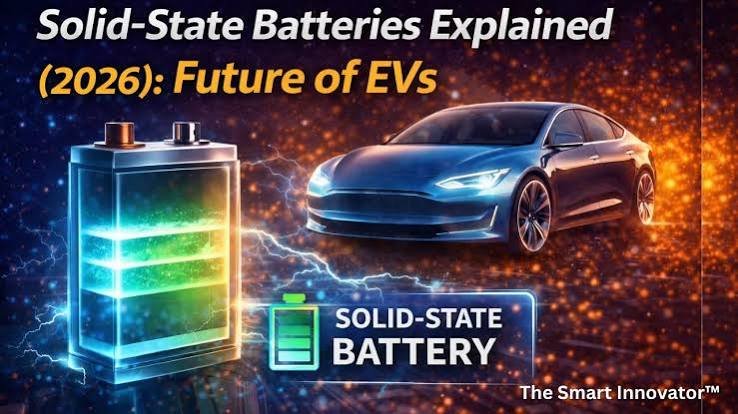
Solid-state batteries replace the flammable liquid electrolyte in traditional lithium-ion cells with a solid material, unlocking higher energy density, faster charging, and improved safety. According to Blink Charging, these batteries could deliver up to 50% more range than current EV batteries. Toyota, working with its joint venture Prime Planet Energy & Solutions, holds over 1,000 solid-state battery patents and aims to begin production in 2026, with the company claiming these batteries could last up to 40 years.
Real-world testing is already validating the hype. In 2025, a Mercedes-Benz EQS fitted with lithium-metal solid-state cells from US battery maker Factorial drove over 1,200 kilometers from Stuttgart to Malmö without stopping to charge, according to Eleport.
Charging Speeds Are Catching Up to Gas Stations
Bigger batteries only matter if charging can keep pace, and 2026 has seen major progress here too. BYD’s Super e-Platform and Flash Charging technology run at 1000V and can add roughly 400 kilometers of range in just five minutes on home-market vehicles. The company has expanded this to Europe with vehicles that recharge from 10% to 80% in about six and a half minutes, and plans to roll out 3,000 flash-charging stations across Europe within a year, per Eleport’s 2026 battery report.
Meanwhile, CATL’s Super Tech Day 2026 introduced ultra-fast-charging cells designed to handle high currents without sacrificing safety or battery lifespan — a step toward making EV refueling feel closer to a traditional gas station stop.
Costs Are Coming Down, Too
It’s not just about performance. According to the International Energy Agency’s Global EV Outlook 2026, average battery prices declined by 8% in 2025, driven by manufacturing efficiency gains and shifts toward cheaper battery chemistries like LFP (lithium iron phosphate). Battery sizes are also growing — average battery capacity for battery-electric cars in the US reached around 90 kWh.
Smarter, Software-Defined Vehicles
Beyond batteries, EVs are becoming intelligent, connected platforms. Machine-learning-driven battery management systems are being used to optimize performance and monitor vehicle health in real time, and vehicle-to-grid (V2G) technology is enabling EVs to feed energy back into the power grid, according to CALSTART’s EV battery trend analysis. Industry forecasts suggest EVs could represent more than 24% of global vehicle sales by the end of 2026.
What It Means for Buyers
If you’re shopping for an EV in 2026, the practical takeaway is this: range anxiety and long charging waits — the two biggest historical objections to going electric — are shrinking fast. Solid-state batteries are still ramping up slowly, so most buyers this year will still be choosing between improved lithium-ion chemistries like LFP and LMFP, but the direction of travel is clear.
Frequently Asked Questions
Are solid-state batteries available in EVs yet? Limited production is starting in 2026, mostly through pilot programs, with wider availability expected later in the decade.
How fast can EVs charge in 2026? The fastest platforms can add around 400 km of range in 5 minutes, or recharge from 10–80% in under seven minutes.
Are EVs getting cheaper? Yes — average battery prices dropped about 8% in the past year, driven largely by manufacturing efficiency and cheaper battery chemistries.
Related reading: AI Technology Trends 2026 | Quantum Computing Breakthroughs in 2026
About The Author