United Flight UA109 Diversion: What Really Happened on the Munich-to-Washington Flight
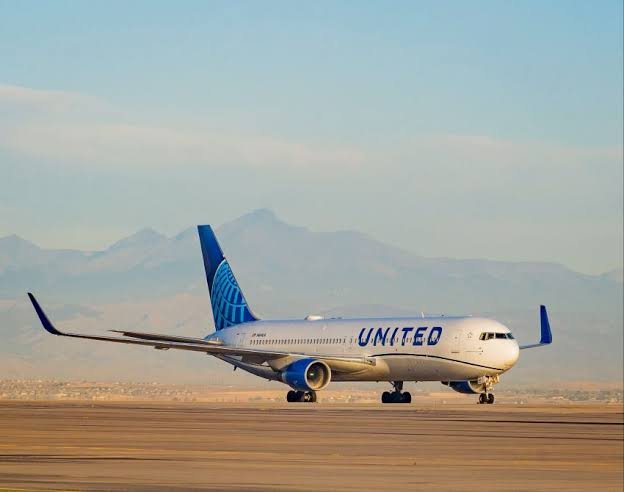
united flight ua109 diversion
United Flight UA109 Diversion: What Really Happened
When a transatlantic flight suddenly turns around over the middle of the ocean, it’s bound to raise eyebrows. That’s exactly what happened with United Airlines Flight UA109, which made headlines after diverting mid-flight to Dublin, Ireland. If you’re searching for what caused the UA109 diversion, whether it was dangerous, or what happened to the passengers, this article covers the full story.
ops
daa-international
dublinpeople
Results from the web(opens in new tab)
What Was United Flight UA109?
United Flight UA109 is a long-haul route connecting Munich Airport (MUC) in Germany with Washington Dulles International Airport (IAD) in the United States. The flight, normally an 8-to-9-hour journey, is typically operated using a Boeing 787-8 Dreamliner, a modern wide-body aircraft built for intercontinental routes.
Route and Aircraft Details
On October 30, 2025, United Airlines Flight UA109 was operated by a Boeing 787-8 Dreamliner with registration N28912. The flight had departed from Munich at 9:00 AM local time and was en route to Washington Dulles. Travel And Tour WorldTravel And Tour World
Why Did United Flight UA109 Divert?
The diversion made headlines partly because another aircraft, a Delta flight to Boston, was also diverting to Ireland around the same time — but the two incidents were unrelated. AIRLIVE
The Cause: A Crew Medical Emergency
The diversion occurred after a crew member experienced a medical emergency mid-flight. Multiple aviation outlets reported that a flight attendant developed a worsening health issue that left them unable to continue performing required in-flight safety duties. Because airlines must maintain a minimum number of operational crew members at all times, the aircraft could no longer legally continue across the Atlantic once that threshold wasn’t met. Travel And Tour World
Importantly, this wasn’t a mechanical or safety issue with the aircraft itself. As one aviation report summarized it, the diversion resulted from a crew member’s medical issue that prevented her from performing legally required safety duties, not because the plane was in danger. Several sources note the aircraft was mechanically sound throughout the event.
Ruling Out Other Causes
Given how dramatic a mid-ocean U-turn can look on flight trackers, speculation spread quickly online. Some social posts claimed the flight was rerouting to Boston — that was incorrect. Flight-tracking data confirmed Dublin was the diversion airport the entire time, and Washington Dulles remained the final destination.
To be clear about what did not cause the diversion:
- No mechanical failure or system malfunction
- No severe weather event
- No security threat
- No passenger medical emergency (the issue involved a crew member)
Why Dublin Airport?
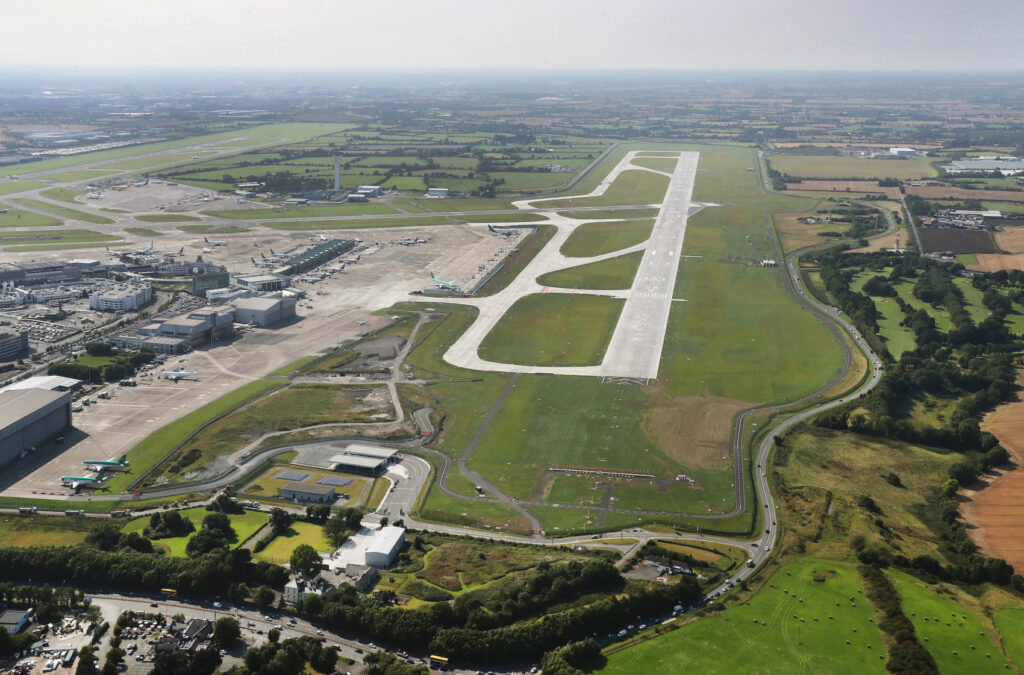
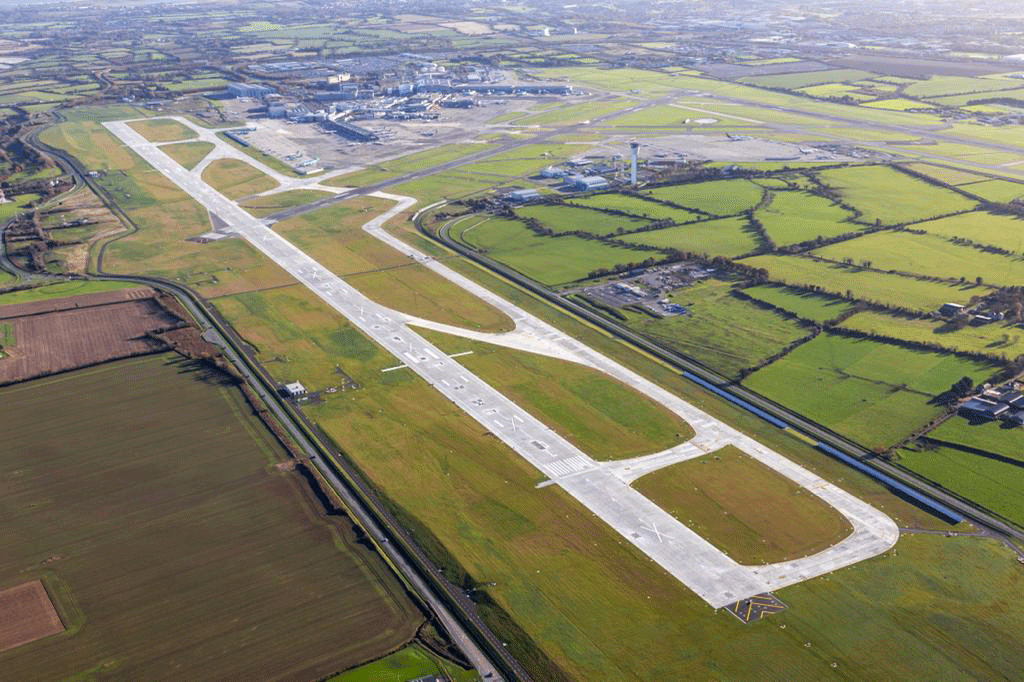
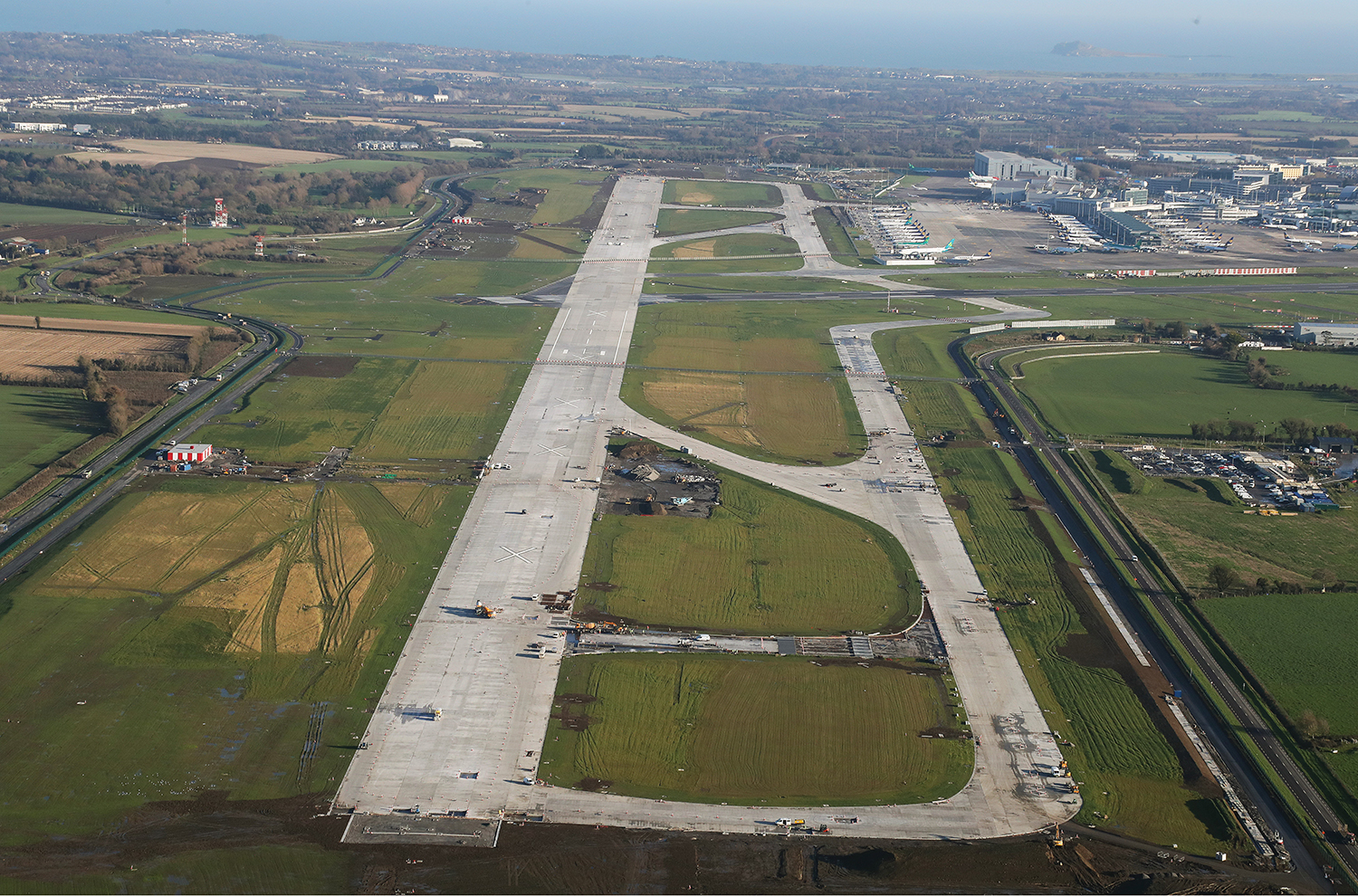
Dublin is one of the most common diversion points for transatlantic flights, and UA109’s route made it a logical choice.
Location Along the Atlantic Corridor
Dublin sits near busy North Atlantic flight corridors and supports widebody aircraft handling with quick turnaround capability. This makes it a frequent alternate airport for long-haul flights that need to land quickly while still over or near the ocean. Viva Magazine
ETOPS Planning
Flights like UA109 operate under ETOPS (Extended Operations) rules, which require twin-engine aircraft flying long overwater routes to always have a suitable alternate airport within reach. This planning ensures a suitable airport remains within reach throughout the flight, and dispatch teams identify these alternates before departure. Dublin’s combination of medical facilities, ground support, and runway capacity made it a practical, preplanned option — not a random emergency choice. Viva Magazine
Timeline of the Diversion
Here’s how the event unfolded, based on flight-tracking and news reports:
- Departure: UA109 left Munich on schedule, midday CET.
- In-flight issue: Roughly three hours into the flight, while cruising at altitude over the Atlantic, the crew medical issue arose.
- U-turn: The aircraft turned around over the Atlantic at 40,000 feet. AIRLIVE
- Landing: The aircraft landed in Dublin, met by emergency vehicles on the runway as a standard precaution. AIRLIVE
- Ground handling: The crew member received medical attention, and the aircraft was cleared for departure after routine checks and refueling.
- Resumed flight: UA109 continued to Washington Dulles, arriving with a total delay of roughly two hours.
What This Means for Passengers
Diversions like this understandably cause anxiety, but they’re a routine part of how airlines manage safety, not a sign that something went catastrophically wrong.
Was Anyone in Danger?
No. Reports consistently indicate that no passengers were involved in the medical emergency, and the aircraft itself was never at risk. The diversion was a regulatory and staffing decision, not an emergency response to aircraft failure.
How Common Are Diversions Like This?
Medical-related diversions happen regularly across the industry, and most are resolved quickly. Airlines maintain preplanned alternate airports specifically so situations like this can be handled with minimal disruption — which is exactly what happened with UA109.
Tips If You Experience a Flight Diversion
- Stay calm and follow crew instructions. Diversions are procedural, not necessarily emergencies.
- Check your connections. If a diversion causes a missed onward flight, airlines typically help rebook affected passengers.
- Keep documentation. Note flight numbers, times, and any communication from the airline in case you need to file a delay or compensation claim.
- Verify news with reliable sources. During live events, social media speculation often outpaces confirmed facts — cross-check with flight trackers and official airline statements.
Final Thoughts
The United Flight UA109 diversion is ultimately a story about aviation safety systems working as intended. A crew member’s medical issue triggered a precautionary, well-managed diversion to Dublin — not a mechanical failure, weather emergency, or security incident. Passengers experienced a short delay but reached Washington Dulles safely the same day.
Events like this are a useful reminder of how much preparation goes into every long-haul flight, from ETOPS alternate-airport planning to strict crew-staffing regulations designed to protect everyone on board.
About The Author