What Is the Australian Dollar? A Simple Guide to the AUD (2026)
australian dollar
G’day, Let’s Talk About the Aussie Dollar
I still remember swapping notes with a mate from Sydney years back. He pulled out this bright, plasticky-feeling bill and said, “That’s not paper, mate. That’s polymer.” I was floored. Honestly, that one memory taught me more about currency than any textbook ever did.
So what is the Australian dollar, really? It’s more than just money for meat pies and flat whites. It’s a story about trade, trust, and a country punching above its weight on the world stage.
Let’s break it down. Simply.
What Exactly Is the Australian Dollar?
The Australian dollar — AUD for short, symbol A$ — is Australia’s official currency. It’s been around since 1966, when it replaced the old Australian pound. Before that? Pounds, shillings, pence. A proper mess, frankly.
Then in December 1983, something huge happened: the government let the dollar float freely on international markets instead of pegging it (RBA, 2013). No fixed rate. No government decree deciding its worth.
The market decides now. Every second. Every single day.
That’s a big deal, and it’s still shaping the economy more than forty years later.
What Makes It Go Up (or Crash)?
Here’s where it gets interesting. Traders call the Aussie dollar a “commodity currency.” Why? Because Australia exports a ton of raw stuff — iron ore, coal, gold, natural gas. When commodity prices climb, the AUD usually climbs with them.
China buys a huge chunk of those exports. So when China’s economy sneezes, Australia often catches a cold. I find that relationship kind of wild, honestly — a factory slowdown on the other side of the world quietly nudging the price of your Bali holiday.
Interest rates matter too. The Reserve Bank of Australia (RBA) sets the cash rate, and global investors watch it like hawks. Higher rates can pull in foreign money chasing better returns, pushing the dollar up. Lower rates? Usually the opposite.
Then there’s plain old risk appetite. In jittery, uncertain times, traders dump “risk currencies” like the AUD for safer bets — the US dollar, the Japanese yen. A bit unfair, if you ask me. The Aussie gets punished for global panic that often has nothing to do with Australia at all.
Why Should You Even Care?
Maybe you’re not a trader. Fair enough. But the AUD still touches your life more than you’d think.
Planning an overseas trip? The exchange rate decides how far your money stretches in Tokyo, Bali, or London. Buying imported goods — electronics, cars, coffee beans? A weaker AUD makes them pricier, full stop. Got superannuation invested overseas? Currency swings quietly affect your retirement balance, whether you notice or not.
In my experience, most Aussies only think about the dollar while grumbling at an airport currency counter. But it’s working away in the background constantly — shaping prices, wages, even job numbers in export-heavy towns.
It’s easy to ignore until, suddenly, it isn’t.
Why Do People Call It “The Aussie”?
Traders nicknamed it “the Aussie,” the same casual way the British pound became “cable” and the Kiwi dollar became, well, “the Kiwi.” Simple. A little cheeky. Pretty on-brand for Australia, really.
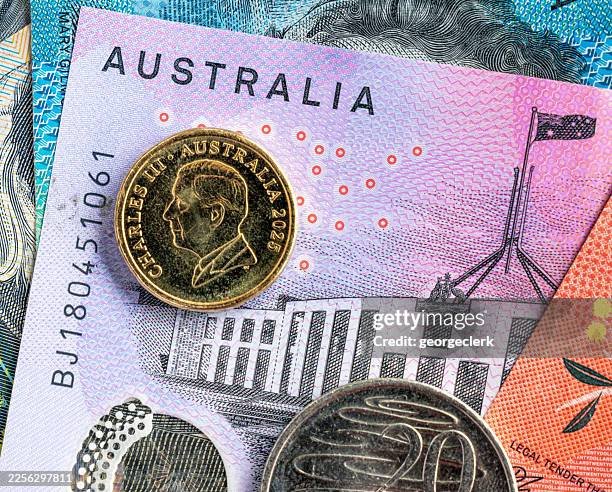
Here’s a fun fact that still lands well at trivia nights: Australia was the first country in the world to roll out a fully polymer banknote series, starting in 1988 (SmartCompany). Those notes resist counterfeiting, survive an accidental trip through the washing machine (ask me how I know), and simply last longer than paper ever could.
Final Thoughts
The Australian dollar isn’t flashy. It won’t dominate headlines the way the US dollar or euro does. But it’s resilient, deeply tied to real-world trade, and honestly kind of fascinating once you look past the exchange-rate ticker.
I think there’s something charming about a currency so openly linked to dirt, rocks, and gas exports. Unpretentious. Practical. Very Australian, when you think about it.
Next time you glance at an exchange rate before a trip, you’ll actually know why it’s moving the way it is. And that’s a pretty handy thing to understand.
Sources & Further Reading
- RBA: The Australian Dollar — Thirty Years of Floating
- The Conversation: What the Float of the Australian Dollar Bought Us
- SmartCompany: AUD Timeline — 40 Years of the Floating Dollar
About The Author