Chocolate Powder Explained: Types, Uses, and Which One You Actually Need
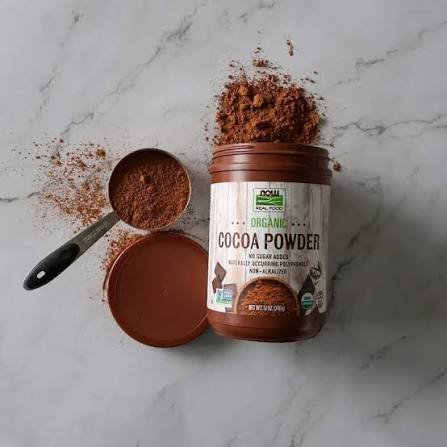
chocolate powder
Chocolate Powder Explained: Types, Uses, and Which One You Actually Need
Ever stood in the baking aisle, staring at three different tubs that all just say “chocolate” on the front, and had absolutely no idea which one you actually need? Yeah. Me too. More than once, honestly.
Let’s actually sort this out.
What Even Is Chocolate Powder?
“Chocolate powder” is a bit of a catch-all term, and that’s honestly where most of the confusion starts. People use it loosely to describe a few different products, cocoa powder, cacao powder, and pre-sweetened drinking chocolate mixes, which aren’t actually the same thing at all.
At its core, though, chocolate powder generally refers to ground, dried chocolate solids, made from cacao beans that have had most of their fat, the cocoa butter, removed. What’s left gets dried and ground into that familiar fine, dark powder.
Simple enough in theory. Where it gets genuinely interesting is in the details.
Cocoa Powder vs. Cacao Powder: The Actual Difference
This one trips up a lot of people, myself included, until fairly recently. The two words sound almost identical, and the packaging doesn’t always help.
Cacao powder is made by cold-pressing raw, unroasted cacao beans. Less processing, basically. It keeps more of its natural antioxidants, minerals, and compounds intact because the beans never get exposed to high heat. The flavour reflects that too, it’s more intense, a bit bitter, sometimes even slightly fruity or earthy.
Cocoa powder, on the other hand, comes from roasted beans. That roasting step mellows the flavour into the classic, familiar chocolatey taste most of us grew up with, brownies, hot cocoa, birthday cake icing. It’s milder and sweeter-tasting, even without added sugar, purely because of how roasting changes the beans.
I think of it a bit like coffee, honestly. Raw, green coffee beans taste completely different from roasted ones. Same plant, wildly different flavour, depending on what heat does to it.
Natural Cocoa vs. Dutch-Processed Cocoa
Just when you thought you’d sorted it out, there’s another split. Cocoa powder itself comes in two main types, and this one actually matters a lot for baking specifically.
Natural cocoa powder is acidic. It hasn’t been treated with any alkalizing agent, so it keeps its naturally sharp, slightly acidic edge. This matters in recipes using baking soda, because baking soda needs an acid to react with and actually help the batter rise properly.
Dutch-processed cocoa (sometimes called “alkalized” cocoa) has been treated to neutralise that acidity. It’s smoother, darker, and milder in flavour. But because it’s no longer acidic, it needs baking powder instead of baking soda to get the right rise in a recipe.
Mix these up in a recipe, and you’ll notice, honestly. Cakes can turn out dense, flat, or oddly flavoured if the wrong cocoa meets the wrong leavening agent. Worth actually checking your recipe’s specific instructions rather than just grabbing whichever tub is closest.
Chocolate Powder for Drinks
Then there’s the whole other category, drinking chocolate mixes, which are usually what people mean when they casually say “chocolate powder” for a hot drink.
These are typically cocoa powder blended with sugar, sometimes milk powder, and often a few extra flavour additions like vanilla. Basically, they’re designed to dissolve easily and taste good on their own, no extra sweetening needed, unlike straight cocoa powder, which is genuinely bitter without added sugar.
I think there’s a real difference in experience here, honestly. A cup made from pure cocoa powder, sugar, and hot milk, mixed properly by hand, tends to taste noticeably richer and more chocolatey than a packet mix. It takes marginally more effort, but in my experience, it’s worth it for anyone who actually loves chocolate rather than just wanting something vaguely sweet and warm.
Nutritional Differences Worth Knowing
Nutritionally, unsweetened cocoa powder is genuinely impressive for something that often gets treated as just a baking ingredient. It’s a solid source of dietary fibre and protein relative to its calorie count, and it carries decent amounts of iron and potassium too.
Cacao powder, because it skips the roasting step, tends to hold onto more of its antioxidant content, along with compounds linked to mood and heart health benefits in various studies. That’s part of why health-food circles lean toward cacao specifically, rather than standard cocoa, when marketing “superfood” style products.
Sweetened drinking chocolate mixes, though, are a different story nutritionally. Once sugar and milk powder get blended in, the overall nutritional profile shifts considerably, more sugar, more calories, less of that concentrated fibre and antioxidant punch you’d get from the pure powder alone.
Which One Should You Actually Buy?
Depends entirely on what you’re making, honestly, there’s no single “best” answer here.
Baking a cake or brownies? Check the recipe specifically. If it calls for baking soda, grab natural cocoa. If it calls for baking powder, Dutch-processed is usually the better match.
Making a smoothie or health-focused recipe? Cacao powder’s intense flavour and higher nutrient retention tend to suit that use case nicely.
Just want a simple hot chocolate? A pre-sweetened drinking chocolate mix does the job with zero fuss. Or, if you want it to taste noticeably better, mix your own using cocoa powder, a bit of sugar, and warm milk.
A Quick Final Tip
If a recipe or product just says “chocolate powder” without specifying which type, it’s usually safest to assume standard, natural cocoa powder unless stated otherwise. When in doubt, check the ingredient list on the back, that’ll tell you immediately whether sugar, milk powder, or other additions have already been blended in.
Final Thoughts
“Chocolate powder” isn’t really one single thing, it’s more of an umbrella covering cacao powder, natural cocoa, Dutch-processed cocoa, and pre-mixed drinking chocolate, each with its own flavour, processing method, and best use case.
Knowing the difference genuinely changes results, whether that’s a cake rising properly or a smoothie tasting the way you actually wanted it to. Next time you’re standing in that baking aisle, staring at three near-identical tubs, hopefully you’ll actually know which one to grab.
Useful links:
- USDA FoodData Central — Cocoa Powder Nutrition
- King Arthur Baking — Cocoa Powder Guide
- Harvard T.H. Chan School of Public Health — Cocoa
About The Author