iPhone 18: Everything Confirmed So Far (Plus What’s Still a Rumor)
iphone 18
iPhone 18: Everything Confirmed So Far (Plus What’s Still a Rumor)
Okay so, plot twist nobody really saw coming a few years back: there isn’t actually one “iPhone 18” launch this year. There’s two. Sort of. Confusing, I know. Stick with me.
Apple properly shook up its usual September playbook this time, and honestly, I think it’s worth breaking down exactly what happened, because a lot of headlines are muddying the actual details.
What’s Actually Confirmed Right Now
Let’s start with facts, not rumors, because there’s finally enough real information to work with.
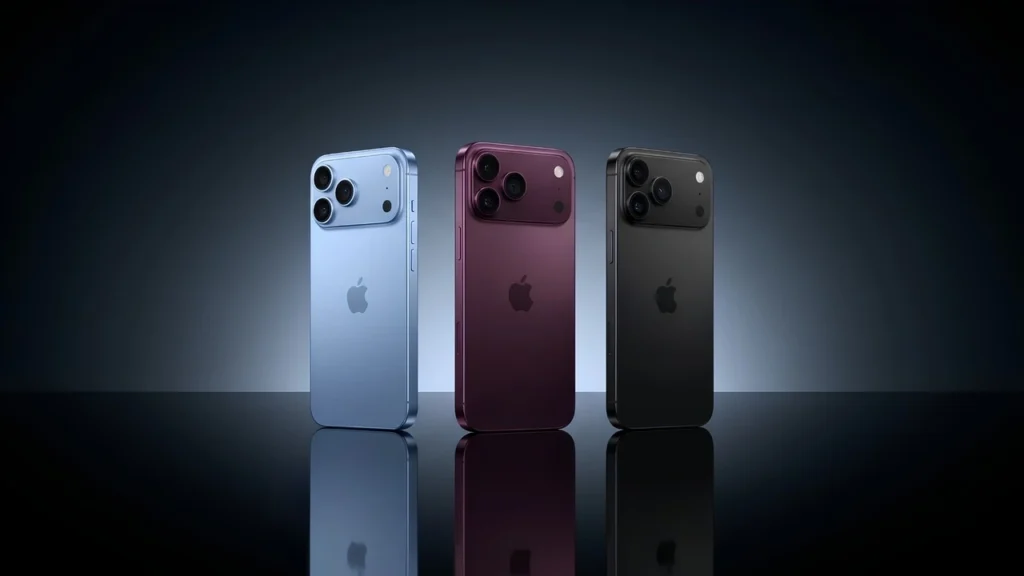
Apple officially announced the iPhone 18 Pro and iPhone 18 Pro Max at its “Surprise and Shine” event on the 9th of September, 2026. Alongside them came something genuinely new for Apple: the iPhone Duo, a foldable device with two screens that fold into a single continuous display.
UK pre-orders opened on the 12th of September, with availability landing on the 18th. Pricing starts at £1,199 for the iPhone 18 Pro (256GB) and £1,299 for the Pro Max. Not cheap, obviously, but not wildly out of step with recent flagship pricing either.
The Big Twist: No Standard iPhone 18 This Year
Here’s the bit that’s genuinely thrown a lot of people, myself included at first. Apple isn’t releasing the standard iPhone 18 or the iPhone 18e this September. They’re being pushed to spring 2027 instead.
I think this is honestly the most interesting story here, more than any individual spec bump. Apple appears to be splitting its release calendar into two proper events a year now, premium models in autumn, standard and budget models the following spring. That’s a genuine shift from the “everything drops together in September” rhythm Apple’s followed for over a decade.
If you’re the type who buys the regular, non-Pro iPhone every cycle, you’re simply not getting a new one this September. That’s a real change to plan around, not just a headline detail.
What’s Confirmed on the Pro Models
The Pro and Pro Max ship with a handful of solid, confirmed upgrades:
- A20 Pro chip, built on a more advanced manufacturing process, promising better speed and efficiency.
- 48MP Pro Fusion camera system, now with variable aperture, a first for iPhone.
- A smaller Dynamic Island, reportedly reduced from roughly 20.76mm to about 13.49mm, a genuinely noticeable shrink if you compare them side by side.
- Improved battery performance, though Apple hasn’t published exhaustive detail on capacity figures.
- iOS 27 out of the box, with Apple Intelligence and a newly rebuilt Siri AI experience running underneath.
That Siri overhaul is worth a mention on its own, honestly. Apple confirmed at WWDC 2026 that Siri’s getting a full reboot, powered by Google Gemini, complete with a standalone Siri app and a dedicated “Ask Siri” button. That’s a genuinely big shift for Apple, leaning on outside AI infrastructure rather than building the whole stack in-house.
What’s Still Just a Rumor
For anything outside the Pro lineup, treat these as educated guesses, not facts, at least for now.
The standard iPhone 18 and iPhone 18e are expected in spring 2027, likely alongside a second-generation iPhone Air. Rumors point toward the standard model potentially getting a slightly downgraded display and a scaled-back GPU compared to the Pro line, part of Apple’s usual strategy of differentiating the tiers more sharply.
A second-generation Air is also rumored, possibly with an added rear camera addressing complaints about the original Air’s single-lens setup. Nothing here is confirmed by Apple directly, worth remembering before treating any of it as settled.
Is the iPhone Duo Actually a Big Deal?
I think so, honestly, more than the camera or chip updates. Apple’s held off on a foldable phone for years while Samsung and others iterated through several generations already. The Duo represents Apple finally stepping into that space, on its own terms, in its own time.
Whether it actually sells well is a separate question entirely. Foldables remain a genuinely niche category industry-wide, and Apple’s premium pricing (likely well north of £2,000, based on early reporting) will keep it firmly in early-adopter territory rather than mainstream.
Should You Actually Upgrade?
Depends entirely on what phone you’re currently using, honestly, standard advice, but true advice.
If you’re rocking an iPhone 15 or older, and you specifically want the Pro-tier camera and chip improvements, this is a genuinely solid jump. The camera system alone, variable aperture wasn’t something iPhone offered before, represents a real functional upgrade, not just a marketing bullet point.
If you typically buy the standard, non-Pro model, there’s simply nothing new to buy yet. You’re waiting until spring 2027, whether you like it or not. Worth knowing now rather than getting caught off guard in a few months wondering where your usual autumn upgrade went.
If you’re curious about the Duo specifically, I’d genuinely wait for hands-on reviews before committing. Foldables carry real trade-offs, crease visibility, durability questions, weight, that photos and spec sheets don’t fully capture. First-generation folding hardware from any manufacturer tends to have rough edges worth reading about before buying.
Final Thoughts
The iPhone 18 story this year isn’t really about one phone, it’s about Apple restructuring how it releases phones altogether. Confirmed Pro-tier upgrades are genuinely solid, better camera, faster chip, an actual foldable option for the first time. But if you’re after the regular iPhone 18, you’re simply going to be waiting a bit longer than usual.
I think that trade-off, more choice, spread across more months, versus the old “everything at once” September tradition, is going to take some getting used to. Whether it works out well for Apple long-term is genuinely an open question. For now, the Pro models are here, confirmed, and shipping. Everything else is still, technically, a rumor.
Useful links:
About The Author