“Solo Et” Meaning Explained: Petrarch’s Poem, Latin Roots, and Why the Phrase Is Confusing You
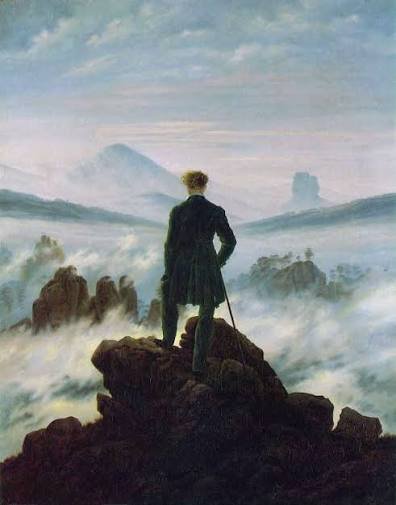
solo et
“Solo Et” Meaning Explained: Where This Phrase Actually Comes From
You typed “solo et” into Google. Then probably squinted at the results, because half of them don’t agree with each other. I did the same thing, and honestly, it took a bit of digging to find the actual answer buried under a pile of vague “modern mindset” content.
So let’s cut through it.
The Real Origin: Petrarch’s Sonnet
Here’s the part that’s actually true and documented, not guessed at.
“Solo et pensoso” is the opening line of Sonnet 35 in Petrarch’s Canzoniere, a collection of Italian poems written in the 14th century. The full phrase is “Solo et pensoso i più deserti campi” — which translates roughly to “Alone and thoughtful, the most deserted fields.”
In the poem, Petrarch describes walking alone through empty fields, lost in thought about love. Not sad-alone. More like intentional-alone. The kind of solitude you choose because it lets you actually feel something, instead of numbing it out with noise.
I think that distinction matters more than people give it credit for. There’s a huge difference between being lonely and being alone on purpose. Petrarch nailed that difference 700 years ago, and honestly? It still holds up.
So if you saw “solo et” attached to poetry, literature class, or Italian sonnets — this is your answer. It’s not a trend. It’s not a lifestyle brand. It’s a 700-year-old line of verse.
Breaking Down the Latin (and Italian)
Quick language note, because this trips people up.
“Solo” — in both Latin and Italian — generally means “alone” or “only.” You’ve heard it in “solo performance,” “solo travel,” “flying solo.” Same root.
“Et” is Latin for “and.” Simple conjunction. Connects two ideas.
Put together, “solo et” doesn’t form a complete sentence on its own. It’s a fragment. “Alone and…” — and then what? That’s exactly why Petrarch’s line works: it leaves you hanging for half a second before “pensoso” (thoughtful) lands.
Here’s the thing though — some newer articles have taken that unfinished, open-ended quality and spun it into a whole “modern philosophy” about independence and connection. I get the appeal. It sounds poetic. But I couldn’t find any real source, historical or cultural, that actually uses “solo et” as a standalone concept outside of the Petrarch line. It reads to me like writers noticed the phrase trending in search data and improvised a meaning to fill the gap. That happens more than people realize.
Why “Solo Et” Shows Up in Random, Unrelated Places
This is honestly the messier part of the story, and probably the real reason you’re confused.
“Solo et” isn’t just Petrarch. It’s also a fragment that shows up inside completely unrelated searches:
- SumUp Solo — a small business payment device. People search “sumup solo et…” for setup or printer questions, and search engines chop it down to “solo et.”
- Bruno Solo — a French actor. Searches like “Bruno Solo et sa fille” (Bruno Solo and his daughter) get truncated the same way.
- Random product listings, French-language pages, forum threads — anywhere “et” naturally connects two French or Italian words near the name “Solo.”
So really, “solo et” isn’t one topic pretending to be several things. It’s several unrelated things that happen to share two letters and a fragment of grammar. Kind of funny when you think about it — a payment terminal and a 700-year-old sonnet, sitting in the same search results because of a coincidence in phrasing.
So What Should You Take Away From This?
If you’re a student and you found this through a literature class — go straight to Petrarch. “Solo et pensoso,” Sonnet 35, Canzoniere. That’s real, citable, and genuinely interesting once you dig into it.
If you landed here through a “modern mindset” article talking about independence and connection — treat that with a raised eyebrow. It’s not wrong to find meaning in the idea of being alone-but-connected. That’s a real human experience. But don’t cite it as an established concept called “solo et,” because it isn’t one. Not yet, anyway.
And if you got here because of a payment device or a French actor — well, now you know why the search results were such a mess.
Quick Recap
- “Solo et” most reliably traces back to Petrarch’s 14th-century sonnet, “Solo et pensoso.”
- “Solo” means alone; “et” means and — together they form an intentionally open, unfinished phrase.
- Some recent articles frame “solo et” as a standalone modern lifestyle concept, but this isn’t backed by any real historical or cultural source.
- The phrase also shows up by coincidence in unrelated contexts, like the SumUp Solo device and French-language content about actor Bruno Solo.
- If you’re citing this for schoolwork, stick with Petrarch. It’s the one part of this that’s actually solid ground.
In my experience, when a phrase feels like it’s dodging a clear answer, it usually is. Sometimes the honest answer is “it’s a poem fragment that got tangled up in unrelated search traffic” — and that’s still a genuinely interesting story.
About The Author