
10 Essential Leadership Skills Every Great Leader Needs in 2026
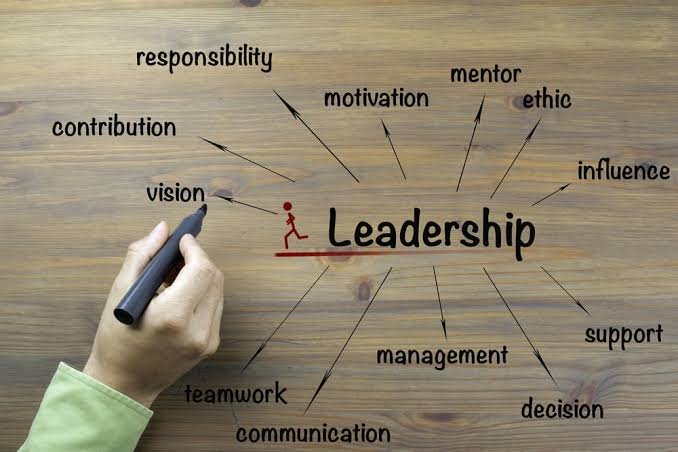
leadership skills
10 Essential Leadership Skills Every Great Leader Needs
Great leaders aren’t born with a secret formula — they’re built through deliberate practice, self-awareness, and the right set of skills. Whether you’re managing a small team or steering an entire organization, the difference between a manager who simply assigns tasks and a leader who inspires results almost always comes down to leadership skills. These are the learnable, practical abilities that shape how you communicate, make decisions, and bring out the best in the people around you.
If you’re looking to grow into a stronger leader — or hire and develop one — this guide breaks down the core leadership skills that matter most, why they matter, and how to start building them today.
Why Leadership Skills Matter More Than Ever
Workplaces have changed. Hybrid teams, generational diversity, and faster decision cycles mean that command-and-control leadership no longer works. Employees expect leaders who listen, adapt, and lead with purpose. Organizations with strong leadership consistently report higher engagement, lower turnover, and better performance. In short, leadership skills aren’t a “nice to have” — they’re a competitive advantage.
Core Leadership Skills to Develop
1. Communication
Clear communication is the foundation of every other leadership skill. Leaders must be able to explain a vision, give constructive feedback, and set expectations without ambiguity. This includes both speaking and writing clearly, as well as knowing when to communicate more and when to step back.
2. Active Listening
Communication is a two-way street. Leaders who listen — really listen, without planning their next response — build trust faster and catch problems before they escalate. Active listening means asking follow-up questions, reflecting back what you hear, and making people feel genuinely heard.
3. Emotional Intelligence
Emotional intelligence (EQ) is the ability to recognize and manage your own emotions while understanding and responding to the emotions of others. Leaders with high EQ handle conflict calmly, read the room accurately, and build stronger relationships across their teams.
4. Decision-Making
Leaders are often required to make decisions with incomplete information under time pressure. Strong decision-making involves gathering relevant input, weighing risks, and committing to a direction — then owning the outcome, whatever it is.
5. Delegation
Trying to do everything yourself is one of the fastest ways to burn out and stall a team’s growth. Effective delegation means matching tasks to the right people, giving them the context and autonomy to succeed, and resisting the urge to micromanage.
6. Adaptability
Change is constant, and leaders who cling rigidly to “how things have always been done” fall behind. Adaptable leaders stay open to new information, adjust plans when circumstances shift, and help their teams navigate uncertainty with confidence.
7. Conflict Resolution
Disagreements are inevitable in any team. What separates strong leaders is their ability to address conflict directly and fairly, rather than avoiding it. This means creating space for honest conversations and finding solutions that respect everyone involved.
8. Accountability
Great leaders hold themselves to the same standards they expect from others. They take responsibility for mistakes, follow through on commitments, and create a culture where accountability is normal rather than punitive.
9. Strategic Thinking
Leadership isn’t just about managing day-to-day tasks — it’s about seeing the bigger picture. Strategic thinking involves setting long-term goals, anticipating challenges, and aligning daily decisions with the broader mission of the organization.
10. Mentorship and Coaching
The best leaders don’t just manage people — they develop them. Investing time in mentoring and coaching team members builds loyalty, strengthens skills across the organization, and prepares the next generation of leaders.
How to Build Your Leadership Skills
Developing leadership skills isn’t a one-time event; it’s an ongoing process. Here are a few practical ways to start:
- Seek feedback regularly. Ask peers, direct reports, and managers how you’re doing, and actually act on what you hear.
- Find a mentor. Learning from someone further along in their leadership journey can accelerate your growth significantly.
- Practice self-reflection. Set aside time weekly to assess what went well, what didn’t, and what you’d do differently.
- Take on stretch opportunities. Volunteer for projects that push you outside your comfort zone.
- Invest in training. Leadership courses, books, and workshops can provide structured frameworks for growth.
Common Mistakes to Avoid
Even experienced leaders can fall into traps that undermine their effectiveness. Watch out for:
- Micromanaging instead of trusting your team.
- Avoiding difficult conversations until problems grow bigger.
- Failing to recognize achievements, which can quietly erode morale.
- Leading with ego rather than curiosity and openness to feedback.
Final Thoughts
Leadership skills aren’t fixed traits — they’re capabilities you can build with intention and practice. By focusing on communication, emotional intelligence, decision-making, and the other skills outlined above, you’ll be better equipped to guide your team, adapt to change, and create lasting impact.
The best leaders never stop learning. Start with one skill, practice it consistently, and watch how it transforms not just your own performance, but the performance of everyone around you.
About The Author


