Muddy River News: Why Your River Looks Brown (And What It Means)

muddy river news
So, Why Is the River So Muddy Right Now?
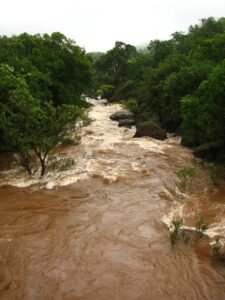
I drove past the river last week and nearly did a double take. It wasn’t blue. It wasn’t even that familiar green-brown it gets after rain. It was chocolate milk. Thick, swirling, chocolate milk.
Turns out I wasn’t the only one who noticed. Local groups, fishing forums, even the county’s water department have been fielding questions about muddy river conditions all month. So let’s break down what’s actually happening — no jargon, no fear-mongering, just the facts and a little bit of my own two cents.
What Makes a River Turn Muddy, Anyway?
Short answer: dirt gets in the water. Long answer? It’s a bit more interesting than that.
Rivers pick up sediment (that’s a fancy word for soil, silt, and tiny rock particles) from their banks, from construction sites upstream, from farmland after a heavy rain, and sometimes from erosion that’s been quietly happening for years. When there’s a big storm, or snowmelt, or a burst of runoff, all that loose material gets washed straight into the current.
The result? Water that looks less like a river and more like a milkshake nobody ordered.
In my experience, this tends to spike in early spring and after any major storm system. It’s seasonal, mostly. But not always.
Is It Normal, or Should We Be Worried?
Here’s the honest answer: it depends.
A little mud after rain? Totally normal. Rivers have been doing this since before humans existed, and most ecosystems have adapted just fine. Fish can handle short bursts of turbidity (that’s the technical term for murkiness). Some species even use it to their advantage, hiding from predators in the cloudy water.
But when the mud sticks around for weeks, or when it’s paired with a weird smell, dead fish, or runoff from a construction site that clearly skipped its erosion control permits — that’s when it’s worth asking questions. I’d call that a yellow flag, not necessarily a red one, but worth a phone call to your local environmental agency.
According to the EPA’s guidance on nonpoint source pollution, sediment runoff is actually one of the most common causes of water quality problems in the United States. Not glamorous, not dramatic, but persistent. It adds up.
The Human Side of This Story
I talked to a guy who’s fished the same stretch of river for almost thirty years. He told me, half-joking, half-serious, “I used to be able to see my boots in two feet of water. Now I can’t see ’em in six inches.” That stuck with me.
It’s easy to treat muddy water as just a visual nuisance. Who cares if it looks gross for a week, right? But for people who rely on that river — anglers, kayakers, small water treatment plants, families who just like walking the trail beside it — it’s more than aesthetics. It changes how they use the space. It changes what they trust.
And honestly, there’s something a little unsettling about watching a familiar landscape look unfamiliar overnight.
What Local News Outlets Are Reporting
Most regional coverage of muddy river events tends to focus on three things: the cause (usually storms or construction runoff), the impact on local wildlife, and whether drinking water supplies are affected. If your town pulls municipal water from the river in question, that third point matters a lot.
Water treatment facilities are generally built to handle turbidity, filtering out sediment before it reaches your tap. Still, heavier-than-usual mud loads can strain the system and sometimes trigger temporary boil advisories, just as a precaution. If you’re ever unsure, your local utility’s website or a quick search for current water quality alerts in your area is the fastest way to check.
What You Can Actually Do About It
Not everyone can stop a river from turning brown. But there are small things that help, and honestly, they add up more than people think:
- Avoid disturbing riverbanks when you’re hiking or fishing nearby.
- Report illegal dumping or obvious construction runoff to your local environmental office.
- Support (or just pay attention to) local watershed groups — a lot of them do genuinely unglamorous, unpaid work to keep rivers healthy.
- If you’ve got a yard near a waterway, planting native vegetation along the bank can cut down on erosion more than you’d expect.
For a deeper dive into how watershed health actually works, the US Geological Survey’s river and stream data hub is a surprisingly readable resource, even if you’re not a science person. I’m not, and I got through it fine.
Bottom Line
Muddy river news isn’t usually breaking news. It’s rarely a crisis. But it’s also not nothing. It’s a signal — sometimes of a passing storm, sometimes of something upstream that needs a closer look.
Next time you pass a river that looks more like coffee than water, don’t panic. Just pay attention. Ask around. Check your local advisories if you’re on well or municipal water pulled from that source. And maybe, like me, take a weirdly long second to just stand there and watch it swirl by. There’s something oddly mesmerizing about it, even when it’s murky.
About The Author