
Iran: Geography, Culture, People, and Travel Facts Guide
iran
Iran: Geography, Culture, People, and Travel Facts Guide
Few countries carry as much historical weight as Iran. Once the heart of the Persian Empire, this Middle Eastern nation blends ancient architecture, rich literary traditions, and dramatic landscapes ranging from snow-capped mountains to vast deserts. Whether you’re researching Iran for school, curiosity, or travel planning, this guide covers the essentials: geography, people, culture, and the current safety situation you need to know before considering a trip.
Where Is Iran Located?
Iran sits in Western Asia, bordered by Iraq, Turkey, Armenia, Azerbaijan, Turkmenistan, Afghanistan, and Pakistan, with coastlines on the Caspian Sea to the north and the Persian Gulf and Gulf of Oman to the south. Covering roughly 1.65 million square kilometers, Iran is the second-largest country in the Middle East by land area, according to Geo Factbook.
Climate and Terrain
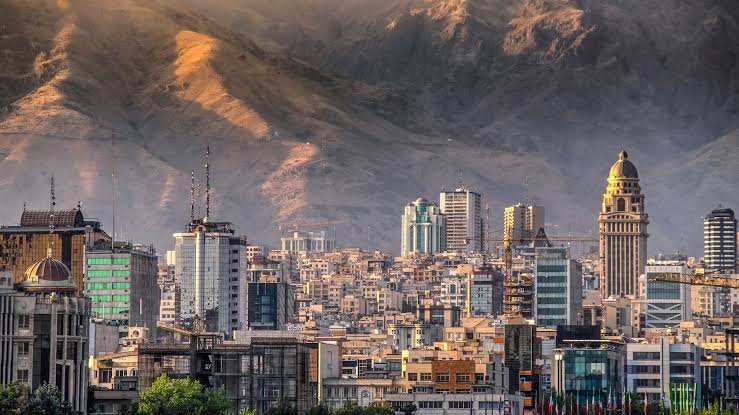
Iran’s landscape is far more varied than most people expect. The Zagros and Alborz mountain ranges dominate the west and north, while the central plateau contains two major deserts, the Dasht-e Kavir and Dasht-e Lut. The northern Caspian coast is lush and subtropical, a sharp contrast to the arid interior. This geographic diversity means Iran experiences everything from snowy winters in the mountains to scorching desert summers, often within the same season.
Iran Population and Demographics
As of 2026, Iran’s population is estimated at around 93 million people, making it the 17th most populous country in the world, according to data compiled by World Population Review and StatisticsTimes. The population is relatively young, with a median age in the mid-30s, though Iran’s birth rate has fallen sharply over the past few decades — one of the fastest fertility declines recorded globally.
Ethnic and Linguistic Diversity
Iran is ethnically diverse. Persians make up the largest group, but the country is also home to significant Azerbaijani, Kurdish, Lur, Baloch, and Arab populations. Persian (Farsi) is the official language, written in a modified Arabic script, though many regional and minority languages are spoken throughout the country.
Iranian Culture and History
Iran’s cultural identity stretches back more than 2,500 years to the Achaemenid Empire founded by Cyrus the Great. That legacy is visible in landmarks like Persepolis, a UNESCO World Heritage Site and one of the ancient world’s most significant archaeological sites.
Art, Literature, and Architecture
Persian poetry holds a central place in Iranian culture, with figures like Hafez, Rumi, and Ferdowsi still widely read and quoted today. Iranian architecture is equally renowned, particularly the intricate tilework and domed mosques found in cities like Isfahan, often cited as one of the most beautiful cities in the Islamic world.
Religion
Islam is the dominant religion, with the majority of Iranians practicing Shia Islam — Iran has the largest Shia population of any country in the world. Since the 1979 revolution, Iran has operated as an Islamic Republic, a political system in which religious leadership plays a central role in governance alongside elected institutions.
Iran’s Economy
Iran has a mixed economy shaped heavily by its energy resources. The country holds some of the world’s largest oil and natural gas reserves, and petroleum remains central to government revenue and export income, according to Geo Factbook. Beyond energy, agriculture and petrochemicals are major employment sectors. However, decades of international sanctions have significantly affected economic growth, contributing to persistent inflation and currency instability.
Is It Safe to Travel to Iran Right Now?
This is the single most important question for anyone considering a visit, and the current answer is clear: as of 2026, the U.S. State Department has Iran under a Level 4: Do Not Travel advisory, its highest warning level. This designation reflects active regional conflict, the risk of wrongful detention of foreign nationals, and the fact that the United States has no embassy or consular presence in Iran, according to travel.state.gov.
What This Means for Travelers
U.S. citizens already in Iran are advised to leave immediately if it’s safe to do so. The advisory also warns of possible flight cancellations and temporary airspace closures affecting travel throughout the wider region. Citizens of other countries should check their own government’s current travel guidance, since advisory levels and restrictions vary by nationality.
Before You Consider Any Trip
If travel to Iran becomes relevant to you in the future, always check the latest advisory directly through your country’s foreign affairs department rather than relying on older information, since conditions in the region can change quickly.
Quick Facts About Iran
- Capital: Tehran
- Official language: Persian (Farsi)
- Population: Approximately 93 million (2026)
- Government: Islamic Republic
- Currency: Iranian rial
- Major cities: Tehran, Mashhad, Isfahan, Shiraz, Tabriz
Final Thoughts
Iran is a country of striking contrasts — ancient Persian heritage alongside a complex modern political landscape, breathtaking architecture alongside serious current safety concerns for travelers. Understanding both sides gives a fuller, more accurate picture of what Iran actually is today. Whether your interest lies in its history, its people, or its present-day situation, staying informed through up-to-date, reliable
About The Author


