
Content Marketing 101: A Practical Guide to Growing Your Business Through Content
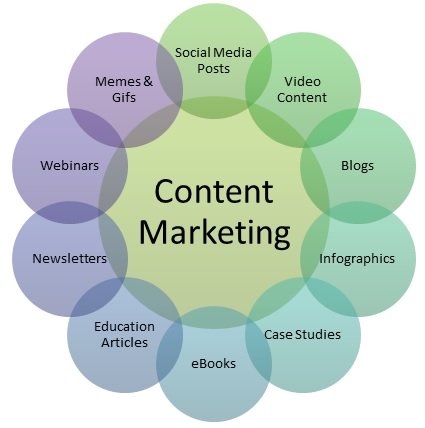
content marketing
Every day, your audience is bombarded with ads, pop-ups, and sales pitches — and most of it gets ignored. Content marketing takes a different approach. Instead of interrupting people with promotions, it earns their attention by offering something genuinely useful: answers, insights, entertainment, or inspiration.
Done well, content marketing builds trust before a sale ever happens. It turns strangers into readers, readers into leads, and leads into loyal customers. In this guide, you’ll learn what content marketing really means, why it works, and how to build a strategy that delivers measurable results.
What Is Content Marketing?
Content marketing is the practice of creating and distributing valuable, relevant content — blog posts, videos, guides, podcasts, social media posts — to attract and retain a clearly defined audience. Rather than pitching products directly, it focuses on solving problems and answering questions your ideal customers already have.
The goal isn’t just visibility. It’s to build a relationship. When your content consistently helps people, they start to see your brand as a trusted resource, which makes them far more likely to choose you when they’re ready to buy.
Content Marketing vs. Traditional Advertising
Traditional advertising interrupts an audience to deliver a message. Content marketing invites the audience in. Ads typically stop generating results the moment you stop paying for them; content, on the other hand, can keep attracting traffic and leads for months or years after it’s published — especially when it’s optimized for search engines.
Why Content Marketing Matters
Content marketing isn’t a nice-to-have anymore — it’s become one of the most cost-effective ways to grow a business online. Here’s why it deserves a place in your strategy.
It Builds Trust and Authority
Publishing consistently helpful content positions your brand as an expert in your field. Over time, this authority makes potential customers more comfortable choosing you over competitors.
It Improves Search Visibility
Search engines reward websites that regularly publish high-quality, relevant content. A strong content strategy helps you rank for the keywords your audience is searching for, driving organic traffic without ongoing ad spend.
It Supports Every Stage of the Buyer’s Journey
From awareness to decision, content can guide prospects through each stage of the funnel — educational blog posts at the top, comparison guides in the middle, and case studies or testimonials near the bottom.
It’s Cost-Effective Long-Term
While content requires upfront investment in time or resources, it continues delivering value long after publication, unlike paid ads that stop the moment the budget runs out.
How to Build an Effective Content Marketing Strategy
A successful content marketing strategy doesn’t happen by accident. It requires planning, consistency, and a clear understanding of your audience.
1. Define Your Audience and Goals
Before creating anything, get specific about who you’re writing for. What are their pain points, questions, and goals? Equally important: define what success looks like for you — traffic, leads, sign-ups, or sales.
2. Research Keywords and Topics
Identify the terms and questions your audience is actively searching for. Tools that analyze search volume and competition can help you prioritize topics with the best potential to drive traffic while remaining realistic about ranking difficulty.
3. Create a Content Calendar
Consistency is one of the biggest drivers of content marketing success. A content calendar helps you plan topics in advance, maintain a steady publishing cadence, and avoid last-minute scrambling.
4. Focus on Quality Over Quantity
One in-depth, well-researched article that thoroughly answers a search query will typically outperform ten shallow posts. Prioritize depth, accuracy, and genuine usefulness over churning out content for its own sake.
5. Optimize for Search Engines
Great content still needs to be discoverable. Use descriptive titles, clear header structures, and natural keyword placement so search engines — and readers — can quickly understand what your content offers.
6. Promote Across Multiple Channels
Publishing is only half the job. Share your content through email newsletters, social media, and relevant communities to maximize its reach and lifespan.
7. Measure and Refine
Track performance metrics like organic traffic, time on page, and conversions. Use this data to double down on what’s working and adjust what isn’t.
Common Content Marketing Mistakes to Avoid
Even experienced marketers fall into these traps:
- Publishing without a strategy — random content rarely compounds into results.
- Ignoring search intent — content that doesn’t match what searchers actually want will struggle to rank or convert.
- Overloading content with keywords — this hurts readability and can backfire with search engines.
- Neglecting promotion — great content still needs distribution to reach its audience.
- Inconsistent publishing — sporadic output makes it harder to build momentum and audience trust.
Final Thoughts
Content marketing is a long-term investment, not a quick fix. It takes time to build an audience, earn search rankings, and establish authority — but the payoff is a sustainable source of traffic, trust, and leads that keeps working long after each piece is published.
Start small: understand your audience, choose a handful of high-value topics, and commit to consistent, quality publishing. Over time, this steady effort compounds into one of the most valuable assets your business can own.
About The Author


