
Pravi Celer: What It Actually Means (It’s Not a Secret Superfood)
pravi celer
Pravi Celer: What It Actually Means (It’s Not a Secret Superfood)
Right, I need to clear something up before we go any further. If you’ve searched “pravi celer” recently, you’ve probably landed on at least one article calling it a rare, nutrient-dense “superfood of 2026.” I’m going to be straight with you: that’s not really true. And honestly, I think it’s worth explaining why.
Let’s actually sort out what this phrase means.
The Simple, Honest Answer
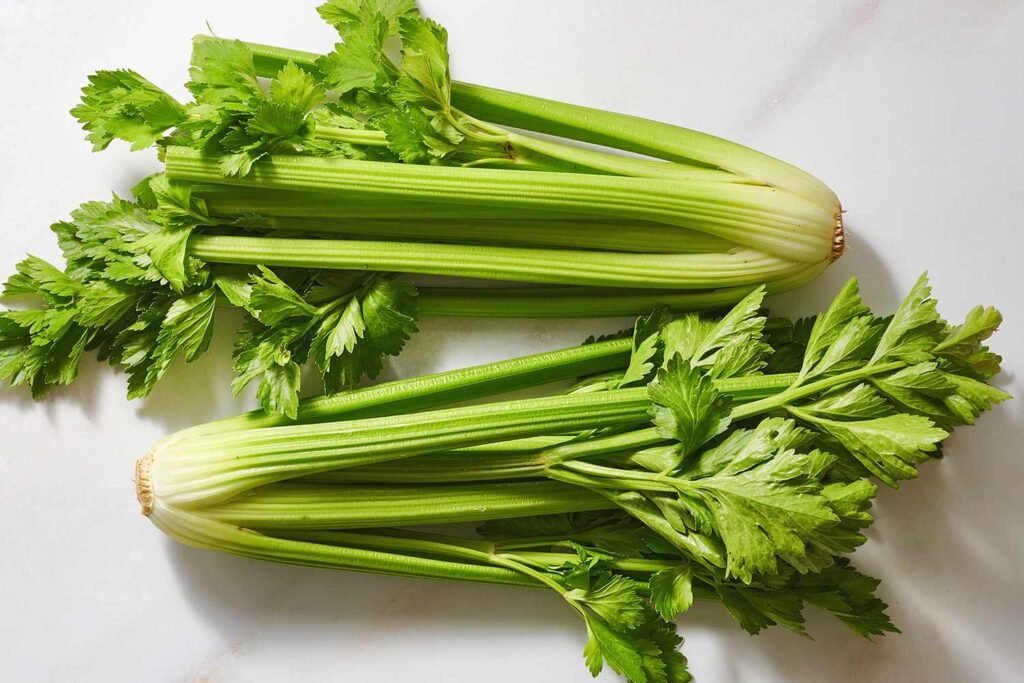
Pravi celer is just the Croatian, Bosnian, and Serbian term for regular celery. That’s it. No twist, no secret variety, no rare Balkan superfood hiding in plain sight.
Break the phrase down and it’s genuinely straightforward. “Pravi” means “real” or “true” in South Slavic languages. “Celer” means, well, celery. Put together, pravi celer literally translates to “true celery” or “real celery.”
Botanically, it’s the exact same plant as the celery sitting in your local supermarket, Apium graveolens. Same species, same family, the Apiaceae family, which also includes carrots, parsley, and fennel.
Why the Phrase Exists at All
Here’s the actual, sensible reason this term exists, and it’s honestly a lot less dramatic than the “hidden superfood” framing suggests.
In Balkan languages, the word “celer” can occasionally get applied loosely to a few different plants, including some wild, lookalike varieties that aren’t the cultivated vegetable people actually cook with. Saying “pravi celer,” true celery, is just a simple way of specifying: I mean the actual, familiar garden celery, not some wild relative that merely resembles it.
It’s genuinely similar to how English speakers might say “real honey” to distinguish it from imitation syrup blends. The word “real” isn’t describing a special premium product. It’s just clarifying which thing you actually mean.
Where the Superfood Myth Comes From
I think it’s worth being honest about this part, because a lot of online content muddles it badly, whether accidentally or deliberately, to attract clicks.
A huge number of recent articles online describe pravi celer as a distinct, more nutritious celery variety, sometimes claiming it has “improved taste” or a “refined nutritional profile” compared to regular supermarket celery. That framing isn’t accurate, honestly. It’s not a separate cultivar bred for superior nutrition. It’s the same plant, wearing a regional name.
I get why the confusion spreads, though. “Pravi celer” sounds unfamiliar and slightly exotic to English speakers, and once a few content sites started treating it as a trendy new ingredient, that framing just kept getting copied and amplified across dozens of similar-sounding articles. Classic internet echo chamber stuff, honestly.
What Celery Actually Offers, Nutritionally
None of this means celery itself isn’t worth eating, to be clear. It’s a genuinely solid, everyday vegetable, just not a mysterious rediscovered superfood.
Celery is roughly 95% water, which makes it a naturally hydrating, low-calorie addition to meals. It provides a reasonable amount of fibre, along with vitamin K, some vitamin C, and potassium. It’s the kind of vegetable that quietly supports a balanced diet without needing to be dressed up in marketing language.
I think that’s honestly the more interesting story here, anyway. Celery doesn’t need an exotic rebrand to be worth including in your meals. It’s been a kitchen staple across Mediterranean and Balkan cooking for centuries, valued long before anyone slapped a “2026 wellness trend” label on it.
The Different Forms of Celery Worth Knowing
Since a few of the confused articles blur this too, worth clarifying the actual varieties that genuinely do exist within the celery family, botanically speaking:
- Stalk celery — the crunchy, pale stalks most people picture, grown mainly for the fibrous stems.
- Leaf celery — grown more for its aromatic leaves than thick stalks, common in soups and stocks.
- Celeriac — grown for its knobby, edible root rather than the stalks, popular in purées and traditional Eastern European cooking.
All three come from the same core species. The differences come down to which part of the plant farmers selectively bred it to emphasise, not some separate “true” versus “fake” distinction.
How to Actually Use It in Cooking
If you’re after practical use, honestly, treat pravi celer exactly like normal celery, because that’s precisely what it is.
- Chop the stalks raw into salads for a fresh, watery crunch.
- Use it as a base aromatic in soups and stocks, alongside onion and carrot, the classic trio.
- Juice it if that’s your thing, though I’d say the fibre you lose by juicing is honestly worth considering before jumping on that trend specifically.
- Roast or braise the root (celeriac) for a deeper, earthier flavour in winter dishes.
Nothing exotic required. It’s a genuinely versatile, humble vegetable, and honestly, that’s plenty.
Final Thoughts
Pravi celer isn’t a secret ingredient waiting to be discovered. It’s just celery, described in Croatian, Bosnian, or Serbian. The “real” in the name is doing linguistic work, distinguishing it from wild lookalikes, not marketing work, dressing it up as something rarer or healthier than what’s already sitting in your local shop.
I think there’s something almost refreshing about that, honestly. Not every food term needs a dramatic rebrand or a superfood label to be worth your attention. Sometimes the honest, unglamorous version, “it’s just celery, and it’s genuinely good for you,” is the more useful thing to actually know.
Useful links:
- Celery — Wikipedia
- Apium graveolens — Kew Science, Plants of the World Online
- Pravi Celer: 7 Surprising Uses and Benefits — Spice Weekly
About The Author


