
What’s the Cheapest State to Live In? The 2026 Breakdown
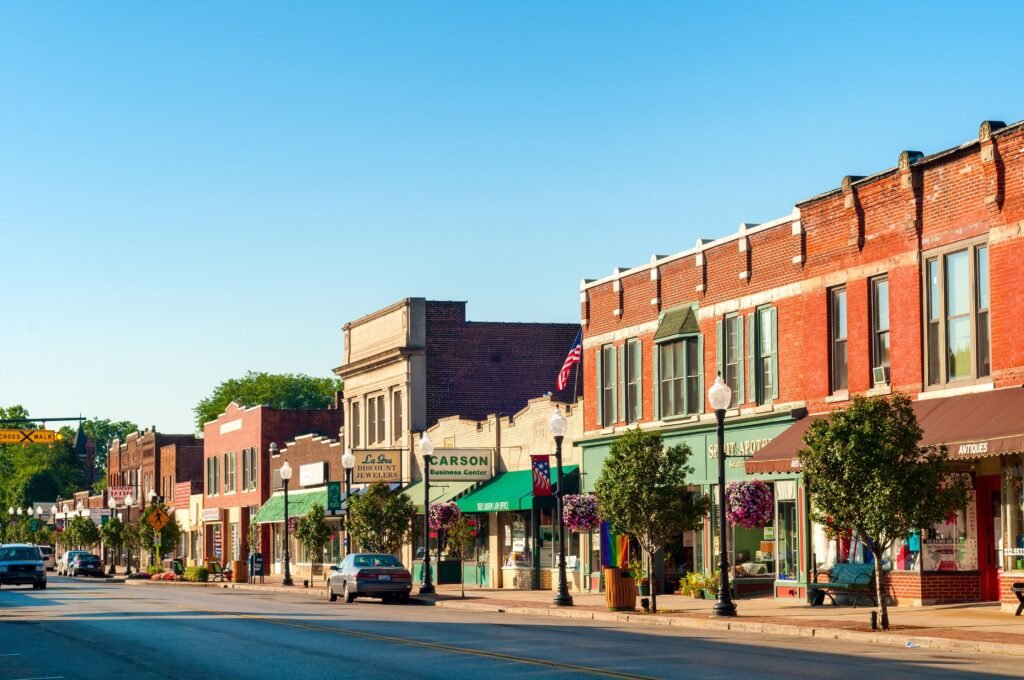
what is the cheapest state to live in
What’s the Cheapest State to Live In? The 2026 Breakdown
Rent went up again, didn’t it? Feels like it always does. At some point almost everyone has that moment, staring at a lease renewal notice, wondering if life would just be easier somewhere else entirely.
Fair question, honestly. Let’s actually answer it properly.
So, What’s the Cheapest State Right Now?
Here’s where it gets slightly annoying, honestly: the exact answer depends a bit on which data source you’re looking at, since different organisations weigh housing, groceries, and taxes a little differently. But the overall picture is pretty consistent.
Mississippi and Oklahoma are both showing up at, or extremely close to, the top of the affordability list for 2026, depending on the specific index used. One widely cited composite index puts Mississippi at the very bottom for cost, roughly 17% below the national average, with Oklahoma, Kansas, West Virginia, and Arkansas rounding out the next few spots. Another major ranking flips it, putting Oklahoma at number one instead.
Either way, honestly, the pattern’s clear even if the exact ranking wobbles a bit. It’s a Southern and Midwestern story. Mississippi, Oklahoma, Alabama, Kansas, West Virginia, Arkansas, that whole cluster keeps showing up together, year after year, across pretty much every methodology.
Why Are These States So Much Cheaper?
Housing, mostly. That’s the honest, unglamorous answer.
In Mississippi, the median home price sits around $162,100, with a two-bedroom rental running roughly $810 a month. Compare that to somewhere like Hawaii or California, and the gap isn’t small, it’s genuinely staggering. One report actually calculated that gap in monthly terms: nearly $2,500 more per month for a single person living in the priciest state versus the cheapest, and over $4,000 more for a family of four.
Beyond housing, there’s usually a few other factors stacking up. Lower population density tends to mean less competition for land and resources. A lot of these cheaper states also have no state income tax, or very low rates, which lets households actually keep more of what they earn. Indiana, for example, dropped its flat income tax rate to 2.95% for 2026, with another cut planned for 2027.
The Trade-Off Nobody Really Talks About
Here’s the bit I think gets glossed over a lot in these “cheapest state” listicles, and honestly, it’s the most important part.
Low cost and high quality of life don’t automatically go hand in hand. Several of the cheapest states rank lower nationally on things like healthcare access, education funding, and overall economic opportunity. Wages in these states also tend to run lower, which makes sense, cost of living and average income usually move together, more or less.
So the real question isn’t just “where’s cheapest.” It’s “where’s cheapest while still giving me what I actually need.” Those are genuinely different questions, and I think conflating them is where a lot of people go wrong when they’re planning a move purely off a cost index.
States That Balance Cost AND Quality of Life
A few states seem to strike a genuinely decent balance, cheap enough to notice the difference, without sacrificing everything else in the process.
Tennessee, Georgia, North Carolina, and Indiana consistently show up as affordable while still offering solid job markets, decent infrastructure, and growing metro areas. That’s a meaningfully different profile from, say, a state that’s cheap purely because opportunity is scarce there.
Iowa is another interesting one, honestly. Sixth-cheapest housing in the country, but with real job opportunities in advanced manufacturing, bioscience, and finance. No single cost category ranks worse than 18th nationally, which suggests a genuinely balanced profile rather than cheapness driven by one extreme factor.
I think that’s the smarter way to read these rankings, honestly. Not “which state is cheapest, full stop,” but “which state is cheap without quietly cutting corners somewhere that’ll bite you later.”
How to Actually Use This Information
If you’re genuinely considering a move based on cost of living, a few practical things worth doing before you commit to anything.
Look past the headline number. A state’s overall cost of living index blends several categories, housing, groceries, healthcare, transport, utilities. Your personal spending pattern might weight those very differently. If you drive a lot, transportation costs matter more to you specifically than they might to the average resident.
Check job availability in your actual field, not just the general economy. A state can look affordable on paper and still be a poor fit if your specific industry barely exists there.
Factor in income tax structure carefully, not just cost of living. A state with no income tax but a slightly higher cost of living index might still net out better for you personally, depending on your income level.
And honestly, visit if you can before committing to anything permanent. Numbers on a spreadsheet don’t capture climate, culture, or whether a place genuinely feels like somewhere you’d want to build a life. That part’s subjective, and no cost index can measure it for you.
Final Thoughts
If you’re chasing the single cheapest state, Mississippi and Oklahoma are both genuinely strong contenders for 2026, depending on which index you trust most, with Kansas, West Virginia, and Arkansas close behind. But I think the smarter question, honestly, isn’t just “what’s cheapest.” It’s “what’s cheap enough to matter, without losing the things that actually make a place worth living in.”
Cost of living is one input, a really important one, sure. Just not the only one worth weighing before you pack up a life and move somewhere new.
Useful links:
- Cost of Living by State 2026 — Complete Rankings
- Mapped: The Cost of Living in Every U.S. State (2026) — Visual Capitalist
- America’s 10 Cheapest States to Live In — CNBC
About The Author


