
What Is Mannacote? The Story Behind This Cheesy Stuffed Pasta
mannacote
What Is Mannacote? The Story Behind This Cheesy Stuffed Pasta
Ever seen “mannacote” written somewhere, on a menu, a family recipe card, a random search result, and thought, wait, is that even a real word? Fair reaction, honestly. I had the exact same moment the first time I came across it.
Turns out it’s got a genuinely fun little backstory. Let’s dig in.
So, What Actually Is Mannacote?
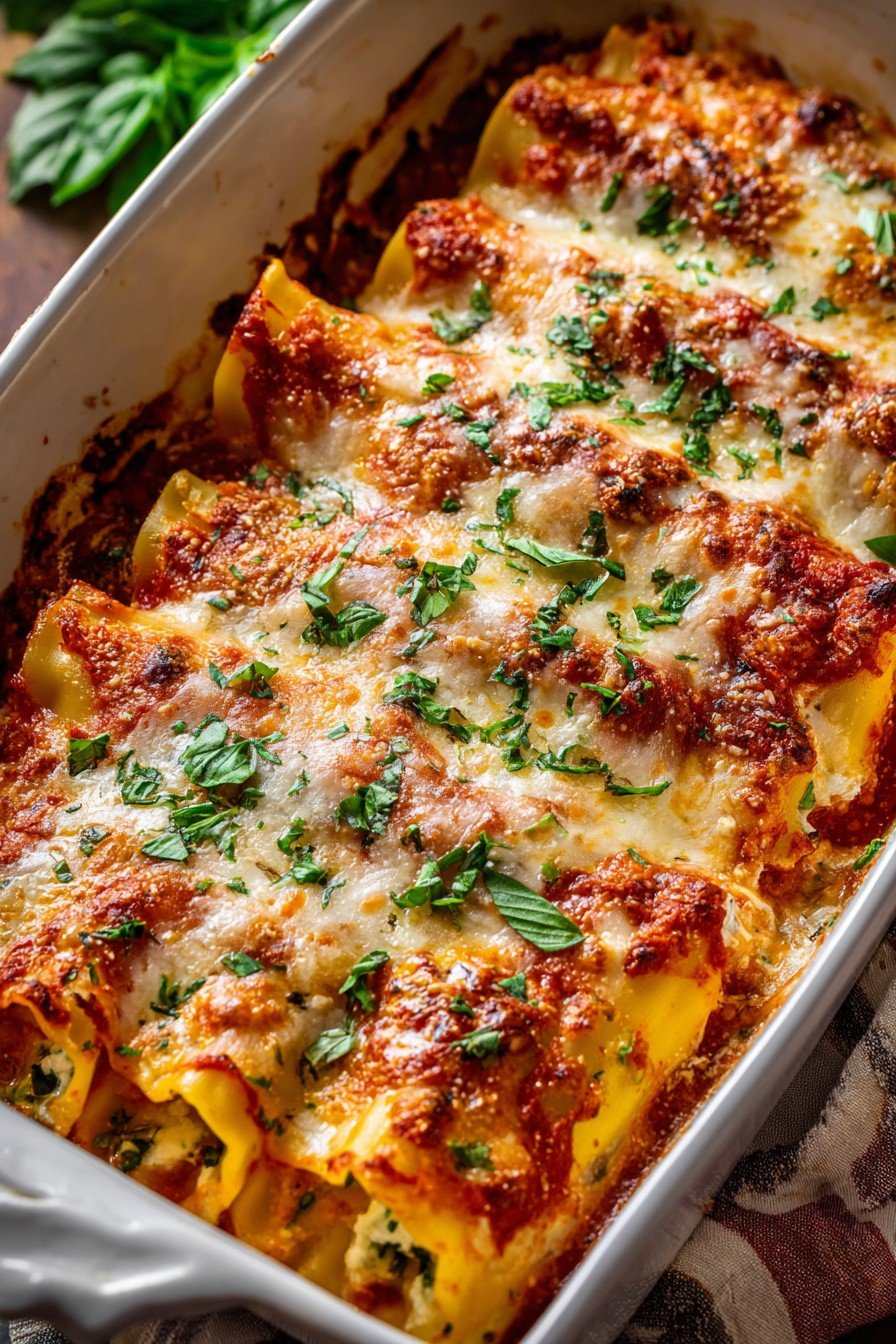
Mannacote is a baked pasta dish, large tubes stuffed with a rich cheese mixture, covered in tomato sauce, and baked until golden and bubbling on top. Think comfort food, the kind of thing that shows up at a family dinner table on a Sunday, filling the whole kitchen with garlic and melted cheese smell.
Here’s the twist though, and it’s a good one: mannacote isn’t really its own, separate, officially documented dish. It’s widely understood to be a phonetic or regional variation of manicotti, that much more familiar Italian-American baked pasta everyone’s probably had at some point, whether at a restaurant or someone’s nonna’s house.
Where Does the Word Actually Come From?
This bit’s genuinely interesting, I think, more than you’d expect from what sounds like a simple spelling quirk.
The original word, manicotti, comes from the Italian word “manica,” meaning sleeve. Makes total sense once you picture the dish, those big, hollow pasta tubes really do look a bit like little sleeves, perfect for stuffing full of cheese.
Now, when Southern Italian immigrants brought recipes like this over to the United States in the late 1800s and early 1900s, pronunciation started shifting, the way language always does when it travels and gets passed down through generations, mostly spoken rather than written. Certain Southern Italian dialects tend to drop vowel endings and soften consonants. Say “manicotti” a few generations deep into that pattern, and you can genuinely hear how it drifts toward something like “manna-goat” or “man-ni-got.” Eventually, somebody wrote that pronunciation down as “mannacote,” and the spelling just sort of stuck around in certain families and communities.
I think that’s honestly a lovely bit of language history, if you think about it. Not a mistake, not really. More like a fingerprint of how food and language travel together through immigration, and how recipes get passed down mouth to mouth long before anyone bothers writing them out properly.
Is Mannacote the Same Thing as Manicotti?
Pretty much, yes, at least by most accounts. The dish itself, big pasta tubes, cheese filling, tomato sauce, baked finish, stays essentially identical. What differs is really just the name, and depending who you ask, maybe a slight regional twist on the filling or seasoning.
Some home cooks and family recipes do treat “mannacote” as leaning slightly more traditional, more homestyle, closer to specific Southern Italian family recipes rather than the standardised version you might find in a cookbook or at a chain restaurant. But that’s more of a soft, cultural distinction than a strict, defined culinary rule. Nobody’s out here enforcing an official mannacote rulebook, put it that way.
What Actually Goes Into It?
If you’re picturing the dish now and wondering how it’s actually built, here’s the general shape of it, honestly pretty forgiving as recipes go.
The pasta. Large tubes, either the pre-formed manicotti shells you’d find in a shop, or, in some traditional versions, thin crepes rolled around the filling instead. Both approaches show up across different family traditions.
The filling. Ricotta cheese forms the base, almost always. Mixed in with mozzarella and parmesan for extra richness, plus eggs to help everything bind together properly during baking. Parsley and other herbs get folded in too, for freshness against all that cheese.
The sauce. A rich tomato sauce, homemade or jarred depending on the household, generously covering the stuffed tubes before they go into the oven.
Optional additions. Some versions bring in ground meat, beef or veal typically, or swap toward a more vegetable-forward filling using spinach. Genuinely flexible, honestly, which is part of why it’s stuck around as a family staple for so long.
Why Does This Dish Matter, Beyond Just Being Tasty?
I think there’s something genuinely worth appreciating here beyond the recipe itself. Food names like “mannacote” carry real history in them. They’re not typos, even though they might look like one at first glance. They’re evidence of how immigrant communities held onto their culinary traditions while their language naturally shifted and adapted around them in a new country.
Every time a family cooks and calls it “mannacote” instead of “manicotti,” honestly, they’re keeping a small, specific thread of that migration story alive, whether they’re consciously thinking about it that way or not. That’s a nice thing to sit with, I think, next time you’re twirling a fork through one.
Should You Try Making It?
Honestly, yes, absolutely, if baked, cheesy, comforting pasta is your kind of thing. It’s a forgiving dish for home cooks too. There’s no single rigid formula you have to nail perfectly, plenty of room to adjust the filling, the sauce, the herbs, based on whatever you’ve actually got in your fridge that day.
It also freezes well, from what I understand, assembled ahead of time and baked later, which makes it a genuinely practical option for meal prepping or getting ahead on a big family dinner without scrambling on the day itself.
Final Thoughts
Mannacote, at the end of the day, is manicotti wearing a slightly different name, one shaped by generations of pronunciation drifting across immigrant kitchens rather than any strict culinary rulebook. Same cheesy, comforting core dish, just carrying a name with a bit more travelled history behind it.
Next time you spot “mannacote” on a menu or in an old family recipe card, you’ll know exactly what’s actually going on. And honestly, I think that little bit of backstory makes the dish taste even better.
Useful links:
- Manicotti — Wikipedia
- Manicotti Recipe — Lidia Bastianich
- Beef and Cheese Manicotti Recipe — Food Network
About The Author


