
Calorie Counting Made Easy: Top Features of an Effective Calorie Calculator
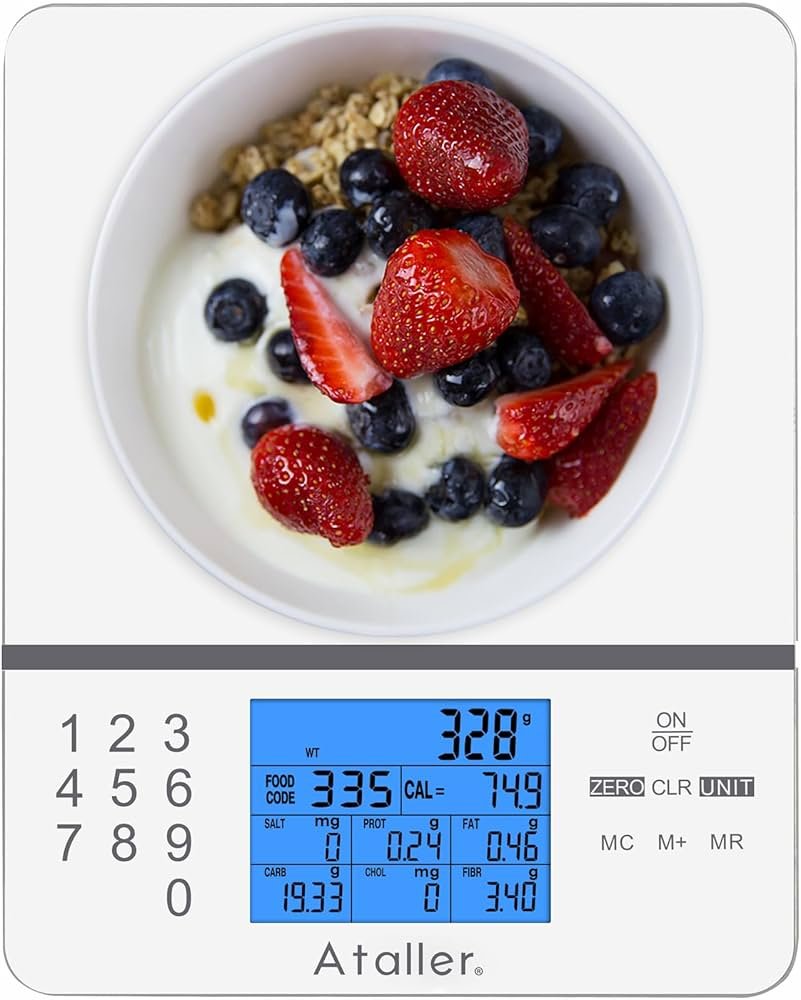
calorie calculator
Counting calories can seem daunting, but it doesn’t have to be. With the right tools, calorie counting becomes a breeze. Enter the world of calorie calculators! These handy devices take the guesswork out of tracking your intake and help you stay on target with your health goals.
Whether you’re aiming for weight loss or simply want a better understanding of what goes into your body, an effective calorie calculator is key. Let’s dive into the top features that make these calculators not just useful but essential in your daily routine!
Calorie Counting Made Easy: Top Features of an Effective Calorie Calculator
An effective calorie calculator simplifies tracking your intake. It offers user-friendly interfaces, customizable goals, macronutrient breakdowns, and food databases. These features empower you to make informed choices without feeling overwhelmed by numbers and complex calculations.
NASM’s Calorie Calculator
NASM’s Calorie Calculator offers a user-friendly interface for accurate calorie tracking. It factors in your personal details, activity levels, and goals, making it an essential tool for anyone serious about nutrition and fitness.
Calorie calculator
A calorie calculator is a simple tool that helps track daily caloric intake. By entering personal details, it provides tailored recommendations to support weight management and healthy eating habits for optimal wellness.
How to calculate calories
To calculate calories, start by determining your Basal Metabolic Rate (BMR), then factor in daily activity levels. Use this total to adjust for weight loss or gain goals based on your specific needs and preferences.
Set Your Goal Weight And Time Frame
Establishing your goal weight and a realistic time frame is crucial. It helps create focus and motivation. Consider factors like current health, lifestyle changes, and gradual progress to ensure sustainable results along the way.
Break Down Macronutrient Ratios
Understanding macronutrient ratios is vital for balanced nutrition. Aim for a mix of carbohydrates, proteins, and fats tailored to your goals. This helps optimize energy levels while supporting muscle growth and overall health.
fruits
Fruits are packed with essential vitamins and minerals. They offer natural sweetness and fiber, making them a great choice for healthy snacks. Incorporating a variety of fruits can enhance your overall calorie tracking experience.
vegetables
Vegetables are nutrient-dense and low in calories. They provide essential vitamins, minerals, and fiber. Incorporating a variety ensures you get diverse nutrients while keeping your calorie intake manageable for health goals.
grains & cereals
Grains and cereals are essential sources of energy. They provide vital nutrients like fiber, which aids digestion. Incorporating whole grains into your meals can help you feel full longer while supporting overall health and wellness.
proteins
Proteins are essential for muscle repair and growth. They help keep you feeling full longer. Incorporating lean meats, fish, beans, and legumes can boost your protein intake while supporting a balanced diet.
Dairy & Alternatives
Dairy products and their alternatives are vital for calcium and protein. Options like yogurt, cheese, almond milk, or soy milk can fit into your calorie calculator. Choose wisely to balance nutrition with caloric intake.
fats & oils
Fats and oils are essential for your body. They provide energy, support cell growth, and help absorb vitamins. Choose healthy sources like olive oil, avocados, and nuts to enhance your meals while managing calories effectively.
sweets & snacks
Sweets and snacks can be delightful additions to your diet. Opt for portion control and healthier alternatives like dark chocolate or air-popped popcorn. These choices satisfy cravings while keeping your calorie count in check.
Beverages
Beverages can significantly impact your calorie count. Be mindful of sugary drinks, juices, and alcoholic beverages. Opt for water or herbal teas whenever possible to keep calories in check while staying hydrated and refreshed.
How many calories should I eat?
Determining your daily calorie intake depends on various factors like age, sex, weight, and activity level. Use a calorie calculator to find personalized recommendations that align with your fitness goals and lifestyle needs.
How many calories should I eat to lose weight?
To lose weight, aim for a calorie deficit. Generally, subtract 500-1000 calories from your maintenance level for steady loss of about 1-2 pounds weekly. Individual needs vary; consult a professional for personalized advice.
What happens when your calories are too low?
Consuming too few calories can lead to fatigue, nutrient deficiencies, and a slowed metabolism. It may also cause muscle loss and affect hormonal balance, leading to mood swings and decreased energy levels throughout the day.
Daily Calorie Intake Calculator
A daily calorie intake calculator helps you determine how many calories your body needs based on activity level, age, weight, and height. This tool is essential for tracking progress towards health and fitness goals.
What is your sex?
Your sex plays a crucial role in calorie needs. Men typically require more calories due to higher muscle mass, while women often need fewer calories. Understanding this helps tailor your personal calorie calculator results effectively.
How old are you?
Age plays a crucial role in determining your daily calorie needs. As we age, our metabolism slows down, requiring adjustments to maintain or lose weight effectively. Knowing your age helps tailor your calorie intake accurately.
How tall are you?
Your height plays a crucial role in calculating your ideal calorie intake. Taller individuals may require more calories to maintain energy levels, while shorter people often need less. It’s an essential factor to consider for accurate results.
How much do you weigh?
Your weight is a key factor in determining your daily caloric needs. It helps the calorie calculator tailor recommendations specifically for you, ensuring you get the most accurate dietary guidance possible for your goals.
How active are you on a daily basis?
Your daily activity level plays a crucial role in determining your calorie needs. Consider how often you engage in workouts, commuting, and even household chores. Each movement contributes to your overall energy expenditure.
Calories in common foods
Understanding calories in common foods helps you make informed choices. For instance, an apple has about 95 calories, while a slice of pizza can have around 285. Awareness leads to better meal planning and healthier habits.
Frequently Asked Questions (FAQs)
Understanding calorie calculators can seem daunting at first. Many people have questions about how they work and their effectiveness.
One common question is, “How accurate are calorie calculators?” While they provide a good estimate, individual factors like metabolism can affect results.
Another frequent inquiry is about daily caloric needs. This varies based on age, sex, activity level, and health goals.
People also ask if it’s okay to consume fewer calories than recommended. Inadequate intake can lead to fatigue or nutrient deficiencies.
Many wonder how often they should use a calorie calculator. Regular tracking helps you stay aligned with your goals.
Using these tools thoughtfully will enhance your journey toward better health and wellness.
About The Author


