
Mastering Email Etiquette: Essential Tips for Professional Communication
email etiquette
Email is a powerful tool that can bridge distances and foster connections, but it comes with its own set of rules. Mastering email etiquette is essential for anyone navigating the professional landscape. Whether you’re reaching out to colleagues, clients, or industry leaders, how you communicate via email can make a significant impact on your reputation and relationships.
In a world where first impressions often happen through screens, understanding the nuances of effective email communication sets you apart from the crowd. Let’s explore what makes good email etiquette so important and discover practical tips to enhance your professional interactions!
Mastering Email Etiquette: Essential Tips for Professional Communication
Mastering email etiquette is about more than just following rules; it’s about conveying respect and professionalism. Each email you send reflects your communication style and can influence how others perceive you.
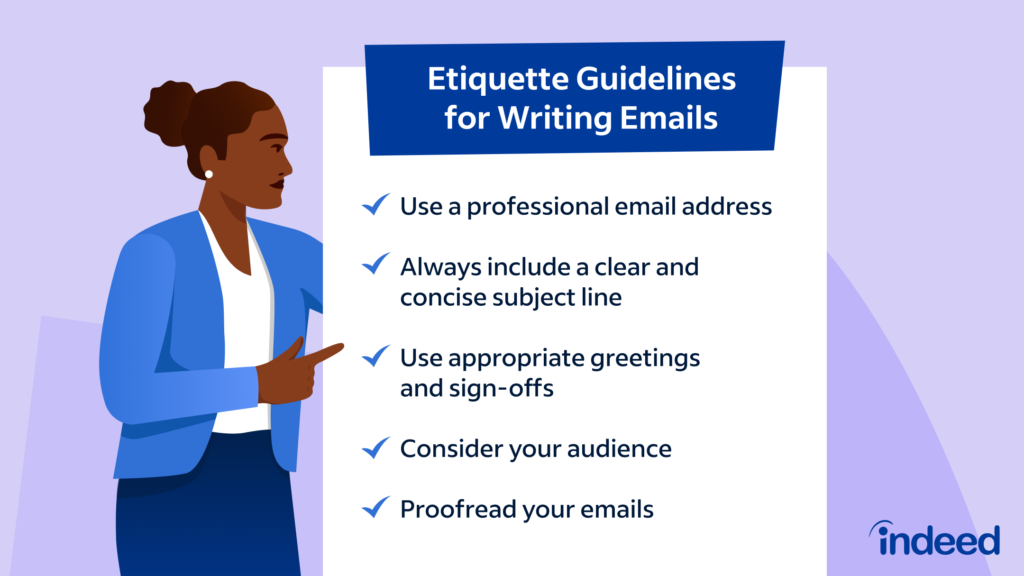
To cultivate effective communication, use clear subject lines, address recipients appropriately, and maintain a polite tone. Pay attention to grammar and punctuation—small details matter in professional settings. With these foundational practices, you’ll foster better relationships and enhance your credibility in any workplace.
What is email etiquette?
Email etiquette refers to the set of guidelines and best practices that govern professional communication through email. It encompasses how we write, respond, and interact with others in a digital space.
Following these principles ensures clarity, respect, and professionalism in our messages. Adhering to good email etiquette helps build strong relationships while conveying information effectively.
Definition
Email etiquette refers to the set of guidelines that dictate how we communicate through email. It encompasses everything from tone and structure to responsiveness and professionalism.
Mastering these rules can enhance clarity in communication, making it easier for recipients to understand your message. Proper email etiquette fosters respect and ensures that your correspondence reflects positively on you in a professional setting.
Core Principles
Email etiquette revolves around a few core principles that can significantly enhance communication. Clarity is essential; your message should be straightforward and easy to understand.
Tone matters too—maintaining professionalism while being personable fosters positive relationships. Additionally, respect for recipients’ time by keeping emails concise goes a long way in establishing effective dialogue.
Why email etiquette matters
Email etiquette is crucial in today’s professional landscape. It shapes how you are perceived by colleagues, clients, and stakeholders. A well-crafted email can convey professionalism and respect.
Poor email habits can lead to misunderstandings or even damaged relationships. By practicing good etiquette, you foster clearer communication and create a positive impression. This helps build trust and respect in your professional interactions, making it easier to achieve your goals.
Common mistakes to avoid
One common mistake is using overly casual language. While it’s important to be friendly, a professional tone sets the right atmosphere. Avoid slang and excessive emojis; they can undermine your credibility.
Another pitfall is neglecting the subject line. An unclear or missing subject can lead to confusion or your email being ignored altogether. Always craft a concise, relevant subject that reflects the content of your message for clarity and impact.
Different situations and email etiquette
Email etiquette varies depending on the context. For formal situations, use a professional tone and structure. Address recipients appropriately, and always include a clear subject line to set expectations.
In more casual scenarios, you can adopt a friendlier approach. However, avoid excessive informality in workplace communications. Always consider your audience’s preferences and adjust your style accordingly for effective interaction and clarity.
Email etiquette for marketing
Email etiquette in marketing plays a crucial role in building trust with your audience. Always address recipients by their names and personalize content to resonate with their interests. This approach not only enhances engagement but also fosters a positive brand image.
Avoid overwhelming subscribers with excessive emails. Respect their inbox space by maintaining a consistent yet non-intrusive sending schedule. Clear subject lines and concise messages can significantly improve open rates and response times, ensuring your marketing efforts are effective.
28 Email Etiquette Rules for the Workplace
Maintaining professionalism in email communication is crucial. Start with a clear subject line and use a polite greeting. Always address recipients by their names to personalize your emails.
Be concise and to the point, avoiding unnecessary jargon. Proofread for grammar errors before hitting send, as mistakes can undermine your credibility. Remember to follow up if you don’t receive a response within a reasonable time frame—persistence shows commitment without being pushy.
Top Email Etiquette Examples for Professional Communication
Using a clear subject line sets the tone for your email. For instance, “Project Update: Q3 Goals” immediately informs the recipient about the content. This leads to better engagement and prioritization.
Addressing recipients properly is crucial too. Use formal greetings like “Dear Mr. Smith” or “Hello Jane.” Tailoring your salutation shows respect and professionalism, enhancing rapport in any communication setting. A simple touch can make a significant difference in how your message is received.
Key takeaways
Mastering email etiquette can significantly enhance your professional communication. It’s about being clear, respectful, and concise in your messages.
Remember to tailor your approach based on the context and audience. By avoiding common pitfalls and adhering to key principles, you’ll foster better relationships and convey professionalism in every interaction.
Resources
Resources for mastering email etiquette can be invaluable in enhancing your professional communication skills. Numerous guides and online courses offer insights into best practices. Consider exploring reputable websites, books, and articles dedicated to business communication. Engaging with workshops or webinars can also provide practical experience. Remember that refining your email etiquette is an ongoing journey that pays dividends in your professional relationships and career growth. Stay curious and committed to continuous improvement in this essential skill set.
About The Author


