
What Is Chronic Guru? A Simple Guide to the Cannabis Brand Everyone’s Asking About
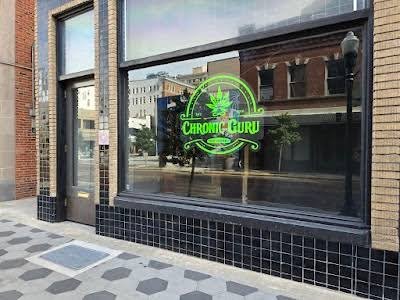
chronic guru
What Is Chronic Guru? A Simple Guide to the Cannabis Brand Everyone’s Asking About
Note: This article is for adults 21 and older. Cannabis and hemp laws vary significantly by state, and this isn’t legal advice, just an honest explainer.
Someone mentions “Chronic Guru” and you catch yourself thinking, wait, cannabis, shipped to my door, legally? In most of the country? That can’t be right. Except, weirdly, it kind of is. Let’s actually unpack how.
What Is Chronic Guru?
Chronic Guru is a family-run, veteran-owned cannabis company. Founded by a veteran named Patrick O’Brien, the business grew out of a family background in cannabis cultivation, spanning, apparently, three generations of growing knowledge before Chronic Guru itself launched.
Before becoming a retail brand, the team reportedly ran an educational venture called Learn Sativa University, training a genuinely large number of students, tens of thousands, on cannabis cultivation, science, and responsible use. That background, teaching before selling, is a bit different from the usual cannabis-startup story, and it’s worth noting as context.
Today, the company operates both physical dispensary locations, thirteen or more across various states, and an online store that ships nationwide. That combination, real storefronts plus wide shipping, is fairly distinctive in this particular industry.
How Does It Ship Cannabis to (Almost) Every State?
This is genuinely the most interesting part, honestly, and the bit most people don’t quite understand at first.
Chronic Guru’s online shipping relies on hemp-derived products that stay under the 0.3% Delta-9 THC threshold set out in the 2018 Farm Bill. That federal law reclassified hemp, distinct from marijuana, as long as it stays under that specific THC percentage by dry weight.
Because hemp at that threshold is federally legal, products built around it can technically be shipped across state lines through standard carriers, the same way any other legal product might be. That’s the loophole, and it’s a real, federally recognised one, not some shady workaround. The company states it ships to every US state except Idaho.
Worth being precise here, though: staying under 0.3% Delta-9 THC by weight doesn’t necessarily mean a product is weak. Some hemp-derived products use processing methods that concentrate THC in ways that still deliver a genuinely noticeable effect, despite technically complying with that federal threshold. It’s a legal classification, not necessarily a strength cap in practice.
Is This Actually Legal?
Federally, yes, under the current interpretation of the 2018 Farm Bill. That’s the honest, straightforward answer.
But here’s the bit that genuinely matters, and I think gets glossed over a lot in casual conversation about this topic: federal legality and state legality aren’t automatically the same thing. Several states have passed their own restrictions specifically targeting hemp-derived THC products, tightening the loophole at a state level even where federal law technically allows it.
This is an actively shifting legal area, honestly, not a settled one. Regulations around hemp-derived THC have been genuinely contentious, with ongoing legislative and legal debate at both state and federal levels about whether this loophole should stay open, get narrowed, or close entirely. What’s accurate today isn’t guaranteed to stay accurate a year from now.
What Does the Company Actually Sell?
Based on what’s described, Chronic Guru’s catalogue includes:
- THC flower — hemp-derived, lab-tested
- Edibles — various THC-infused products
- Concentrates — more potent extracted forms
Every product reportedly comes with a Certificate of Analysis (COA) from third-party lab testing, meaning an independent lab verifies what’s actually in the product, potency, contaminants, that sort of thing. That’s a genuinely good practice, honestly, and worth actively looking for with any cannabis or hemp brand, not just this one.
Discretion and Shipping
The company states that orders ship in plain, unmarked packaging, with shipping labels showing an unrelated business name rather than anything cannabis-related. Billing statements, by contrast, reportedly do show “Chronic Guru” directly.
That’s a fairly standard practice across this industry, honestly, discreet shipping labels, less discreet billing. Worth knowing in advance if privacy around a specific transaction matters to you.
What to Check Before Buying From Any Hemp-THC Company
A few practical things worth verifying, honestly, applicable to Chronic Guru or any similar brand:
- Check your specific state’s current laws. Hemp-derived THC legality varies, and it genuinely changes over time as states update legislation.
- Look for third-party lab results (COAs). Legitimate brands make these easy to find, not buried or missing entirely.
- Confirm the THC source and type. Understand whether you’re buying hemp-derived Delta-9, Delta-8, or another cannabinoid entirely, they’re not interchangeable.
- Age verification matters. Legitimate cannabis and hemp retailers should require proof you’re 21 or older.
- Understand this is a shifting legal landscape. What’s shippable to your state today isn’t guaranteed to remain that way indefinitely.
Final Thoughts
Chronic Guru represents a genuinely interesting case study in how a specific federal law, originally written for industrial hemp, has been used to build a nationwide cannabis shipping business. The veteran-owned, education-first background gives it a somewhat different story than a typical cannabis startup, for whatever that’s worth to you personally.
But the legal foundation underneath it all is genuinely more complicated, and more actively contested, than a slick website might suggest. If you’re considering ordering from any brand operating in this specific hemp-derived THC space, checking your own state’s current rules first is honestly the single most useful thing you can do before clicking buy.
Useful links:
About The Author


